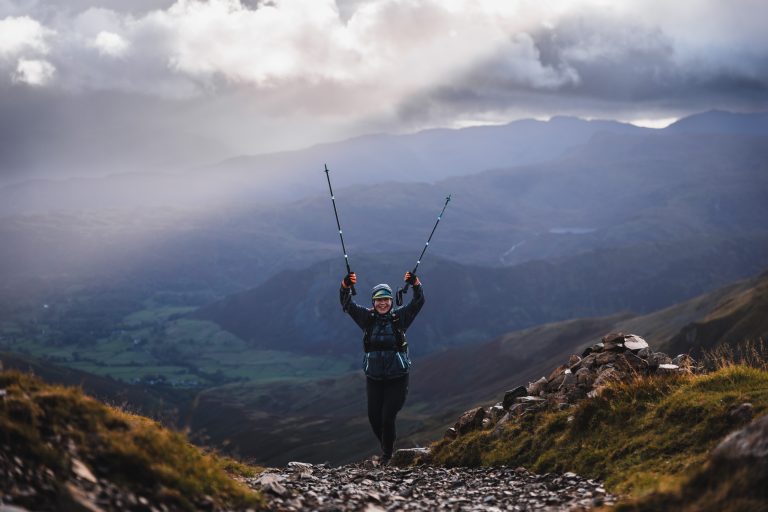

If you’re lining up for an ultra marathon in the Lake District, especially if you’re travelling up from the beautifully flat trails of the South; you already know you’re in for a shock. The English fells demand absolute respect, the weather has a dark sense of humour, and the terrain will test every fibre of your legs in ways a muddy Sunday run in the Home Counties simply cannot prepare you for.
Down south on a nice 30-miler, I am a comfortable mid-pack runner. On a good day, I might even push into the top 30%.
But the Lake District!? The Lakes humbled me quickly. Up north, I have absolutely closed a party or two at the back of the pack, frantically doing cut-off math in my head to make sure I don’t get swept.
But I get it done! I’ve earned my finishes at the gruelling Lakeland Trails 100km, the relentlessly steep 5 Valleys Ultra (55km), and most recently, the epic traverse-the-national-park adventure of Lakes in a Day (50 miles).
If you want to bridge the gap between flatland training and mountain racing without a DNF, here are 10 things I have learned from the back of the pack:
1. Respect the Weather (Because Your Weather App is Lying)
The Lakes have microclimates that border on the offensive. It is entirely possible to start in valley sunshine, battle 70km/h gale-force winds and freezing rain on the summits (as I did for the first 50km of Lakes in a Day), and drop right back into the sunshine feeling utterly betrayed.
Layer smart
Don’t wait until you’re shivering to put a layer on. A buff, gloves, and a windbreaking gilet or zipped mid-layer are easy to adjust on the go. When you are out there for 18+ hours, temperature regulation is survival.
Check your waterproofs
Make sure your mandatory jacket is actually breathable. If you wear a cheap boil-in-the-bag shell, you’ll end up soaked from your own sweat when you use it as a windproof on dry but breezy ridge lines.
Secure your ego (and your hat)
If you like wearing a running cap, make sure it is secure. In high fell winds, pulling a buff or headband over the top is a great way to lock it in place so you aren’t chasing it across Blencathra.
2. Pace the Terrain, Not the Distance
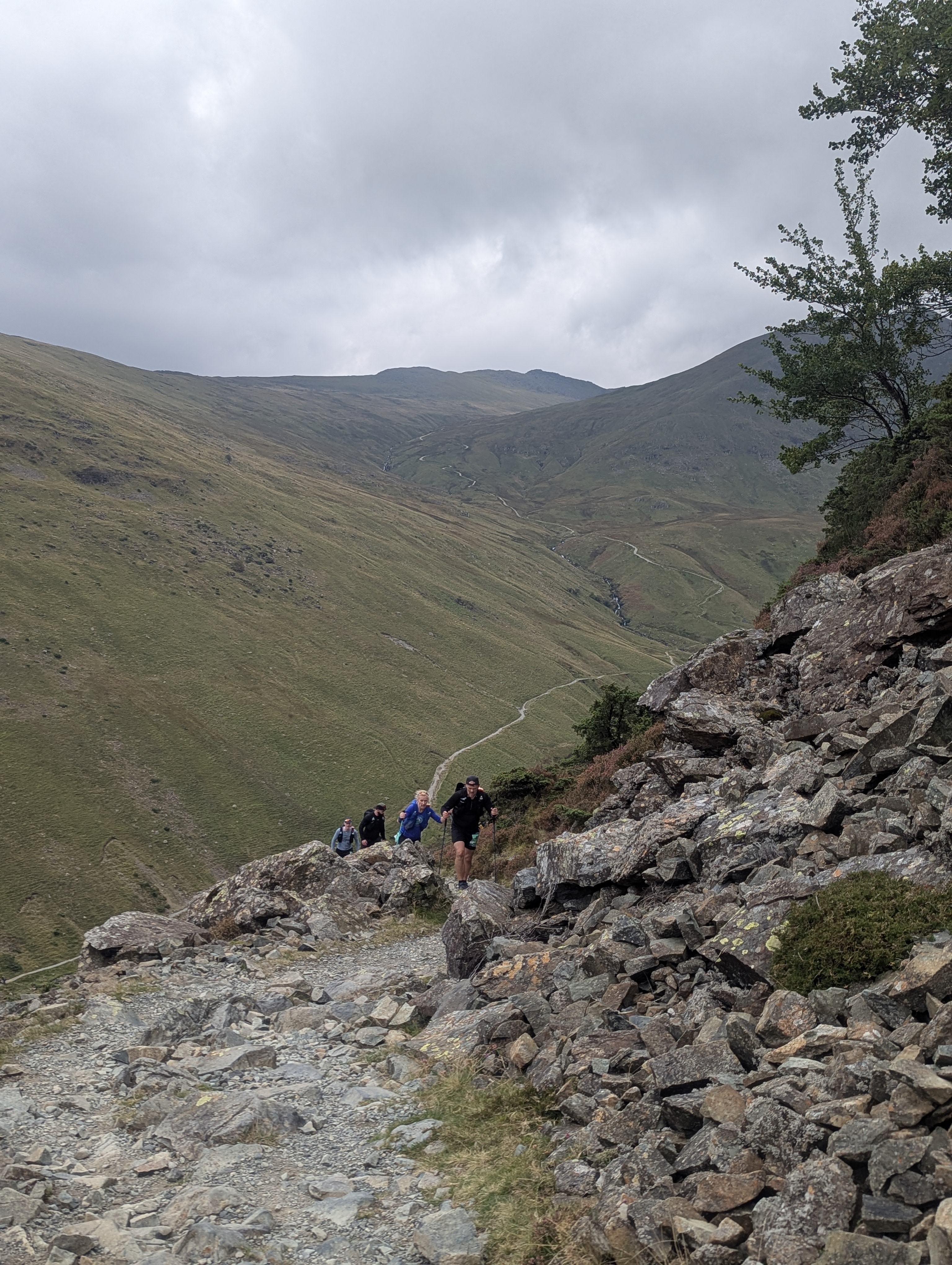
A 10km stretch over the Lakeland fells will take vastly longer than a 10km run on rolling forest trails. Do yourself a favour and stop looking at your minute-per-mile pace on your watch – it will only make you cry!
Run to effort (and the cut-offs)
Throw out your usual pace expectations. The race doesn’t truly begin until you get through the first few high fells. Keep a reserve for the second half, but keep a close eye on the cut-off times.
Clean up your GPX
Ensure the route file on your watch is spot on. Overloaded GPX files with unnecessary waymarks and alerts buzzing every two minutes will push a tired, time-pressured runner over the edge.
3. Condition Your Quads (The Southerner’s Dilemma)
What goes up must come down, and Lake District descents are notoriously steep, rocky, and unforgiving. If you haven’t prepared your legs for the eccentric pounding of downhill running, your quads will turn to useless jelly well before the finish line.
For me, this is the hardest part. I don’t have 800-meter peaks on my doorstep, so I have to manufacture my suffering:
Hike with weight
The best conditioning is mountain hiking with a heavy pack. Mimic this by putting weight on your weekend walks over whatever local bumps you can find. For my training, I removed the weight bags from a weighted vest, loaded 10kg into an old hydration pack, and trudged around my local southern trails.
Find the steepest local hill (and repeat)
You might only have a 50-meter climb nearby, but doing repeats on it until your legs burn is essential. Focus just as much on running down it aggressively to condition those quad muscles.
Train on tired legs
Do back-to-back training sessions. A long, hilly hike the day after a long run is a fantastic way to condition your legs to keep working when fatigued – which is exactly how they will feel for the last 20 miles.
4. Embrace the Wet Feet
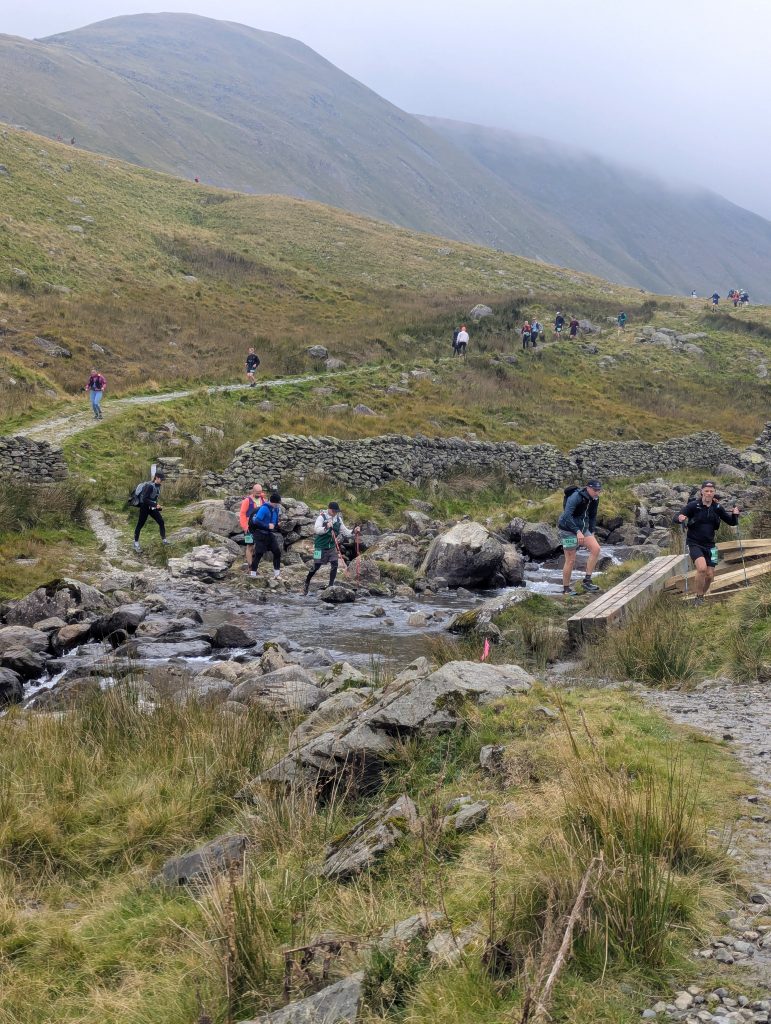
Between the bogs, the unpredictable rain, and the inevitable river crossings (like wading knee-deep through the icy River Caldew on Lakes in a Day), keeping your feet dry is a fantasy. Accept the moisture.
The sock strategy
Double-skinned socks can help reduce friction, but waterproof socks with a cuff seal (like Sealskinz with Hydrostop) are a game-changer for the boggiest halves of the route.
Dry and re-grease
If you have support or drop bags at checkpoints, pack a spare pair of shoes, a microfiber towel, and fresh socks. Coating your feet in Vaseline (or a more sophisticated product) before you start is a must-do to prevent maceration. Your feet will still look like pale raisins at the end, but they won’t be blistered raisins.
5. Break the Race into Chapters
Thinking about 50 miles over mountains will overwhelm you. Break the route down into bite-sized chunks.
Focus on the next landmark
Don’t think about the finish; focus on surviving to the next summit, the next valley, or the next checkpoint.
Leverage aid stations (but don’t linger)
Know where the checkpoints and cut-offs are. The promise of a slice of pizza has resurrected many dead legs. But remember, chairs are a trap at the back of the pack! Get what you need and get out.
Plan your dark hours
When you’re at the back, you will be running in the dark. Estimate when the sun will set and make sure you know exactly where your headtorch and spare batteries are before you need them.
Sanitise on the go
Always carry wet wipes, tissues, and hand sanitizer. You will be dealing with loads of mud and muddy kit all day, and you need clean hands before you start digging into your food at the checkpoints.
6. Conserve Your Battery Life (Digital Survival)
When you are moving slower than planned, battery life becomes a major safety issue.
Pack a versatile power bank
Carry a power bank with the right cables that can support all your electronics. This was a lesson I learned the hard way at the Lakeland Trails 100km when my watch survived, but I couldn’t charge my headphones to get me through the dark miles.
Phone prep
Put your mobile on airplane mode immediately. Only take it off to snap sporadic pictures or send a text at checkpoints if your battery life is poor. Always secure it in a plastic ziplock bag inside your pack.
Watch settings
Make sure your GPX watch is optimised for energy saving (turn off music, notifications, and continuous heart rate if you need to stretch the battery past 15 hours) – a lesson painfully learnt at the Lakes in a Day when my garmin packed up at 4km before the finish line.
Lock your headtorch
There is nothing worse than pulling out your headtorch at dusk only to find it turned on inside your pack three hours ago and the battery is dead. Use the physical lock function or reverse the battery.
7. Lean on Z-Poles (And Nail Your Stowage)
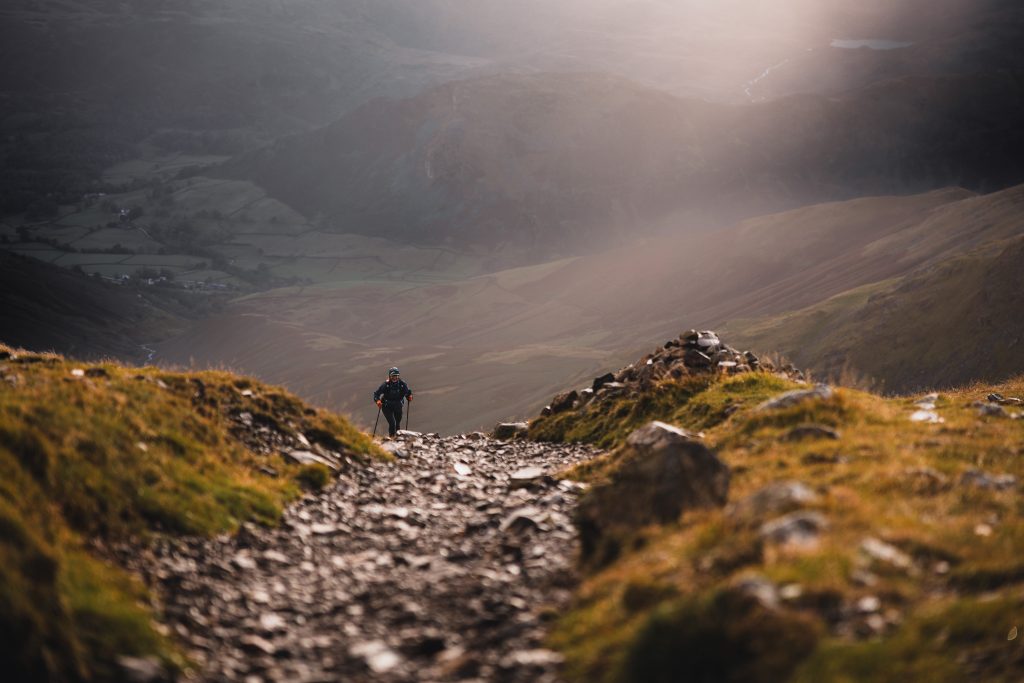
If you aren’t using poles, you are working too hard. Folding Z-poles go a very long way in the Lakes, and not just for powering up the ascents.
Descents & Flats
They are absolute lifesavers on steep, technical descents to take the load off your quads, and they act as stabilisers on slick, muddy flats to keep you upright when tired legs start giving out.
Dial in your stowing system
You need an easy way to stash your poles – either a quiver or a belt. I personally prefer belts because I can spin them front-to-back to easily pull out or stow the poles on the move (I only use quivers in training when wearing my canicross belt).
Aid station discipline
Good practice is to physically put away your poles before you approach an aid station. It is incredibly easy to put them down on a feed table and accidentally leave them behind!
8. Keep Your Pack Light (And Fuel by the Hour)
Ounces equal pounds, and pounds equal pain over 4500m of climbing.
Fuel by time, not distance
Understand your exact carbohydrate requirement per hour. A 10km stretch in the Lakes can easily take over two hours – if you are fueling by distance, you will quickly bonk. Practice your nutrition strategy on your long training runs so you know exactly how many grams of carbs you need per hour to keep moving.
Audit your nutrition weight
I realised my nutrition was way too heavy when I compared pack weights with my friends – I was carrying over 1kg of extra food, plus the weight of my water! I reviewed every single item and managed to bring my entire pack down to under 4kg plus water.
Liquid carbs
I learned at the 5 Valleys Ultra that liquid carbs work brilliantly for me. Using a combined carbohydrate and electrolyte drink gets my calories in efficiently without carrying a heavy, bulging vest.
Ditch the heavy snacks
I cut down my food volume massively at the Lakes in a Day. I reduced to 3 emergency gels and took some light, dry chia-based snacks alongside additional portions of Precision Hydration powder decanted into a spare small soft flask. It worked perfectly – I had exactly two snacks left at the end of the race. It was a very different story to Lakeland Trails, where I carried way too much food.
Eat savoury at aid stations
Save the heavy, real food for the checkpoints. Make sure you get savoury, salty stuff down you to combat flavour fatigue from your sweet drinks.
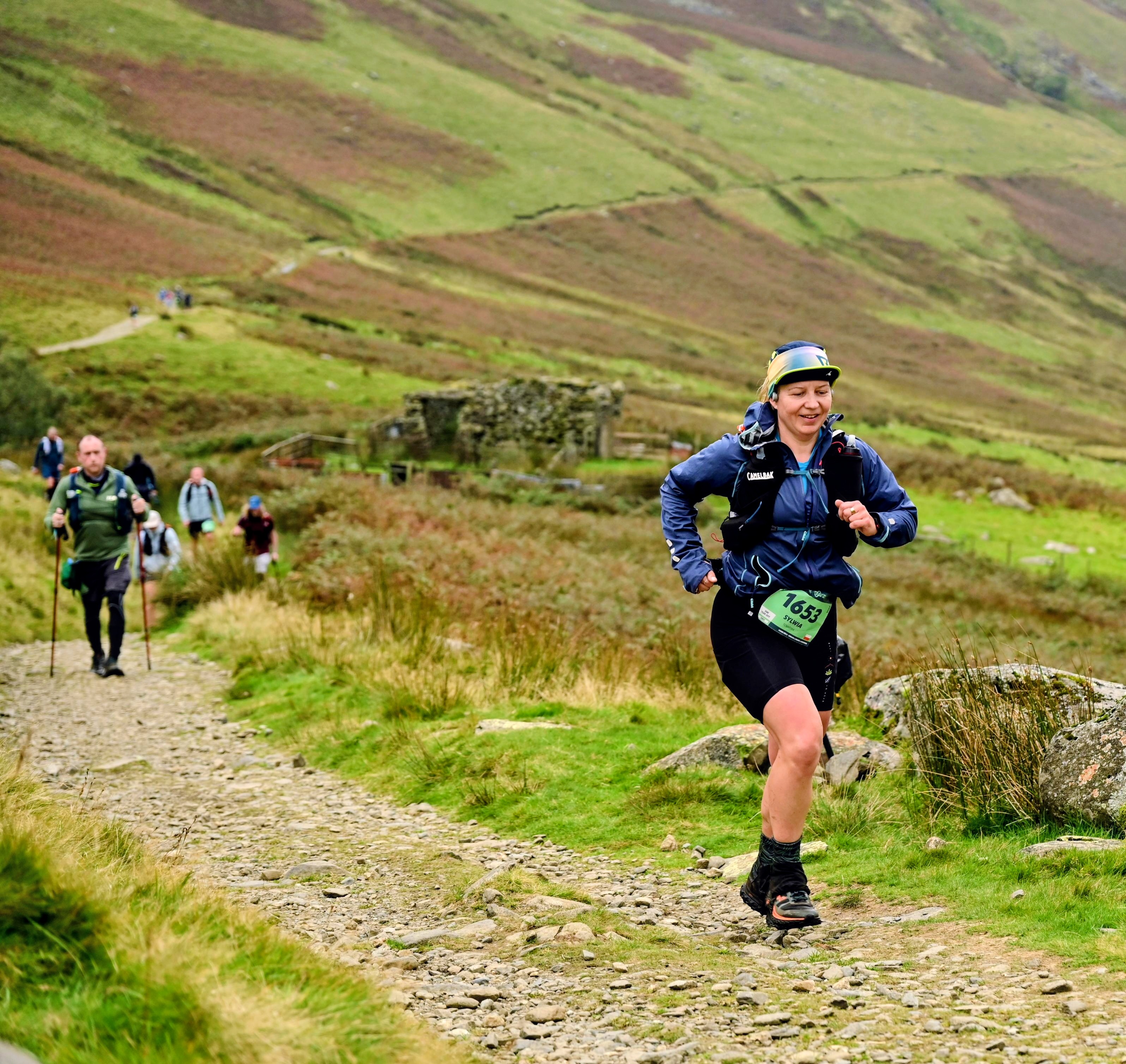
9. Iron Out Your Kit (Because Chafe is Real)
What feels fine on a sunny 10k will shred your skin after 12 hours in the wet.
Test for chafing
I learned the hard way that I cannot wear vest tops because my arms chafe terribly against the wet fabric after a few hours.
Accessible pockets
Ensure your shorts or vest have easy-access pockets specifically for your food and wrappers. You don’t want to be taking your pack off to stash trash.
Waterproof overtrousers and jacket
Are yours actually comfortable to run in for hours? If the weather turns, you might be wearing them for the entire race. Make sure your waterproof trousers articulate well at the knee. And your jacket is 15,000 HH (minimum) and seam taped (integrated hood).
Short gaiters
I found short trail gaiters go an incredibly long way, especially when threading through boggy mud. They prevent debris and grit from washing into your shoes, which is the number one cause of late-race blisters.
10. Bring Your Friends (Or Trauma-Bond on the Trail)
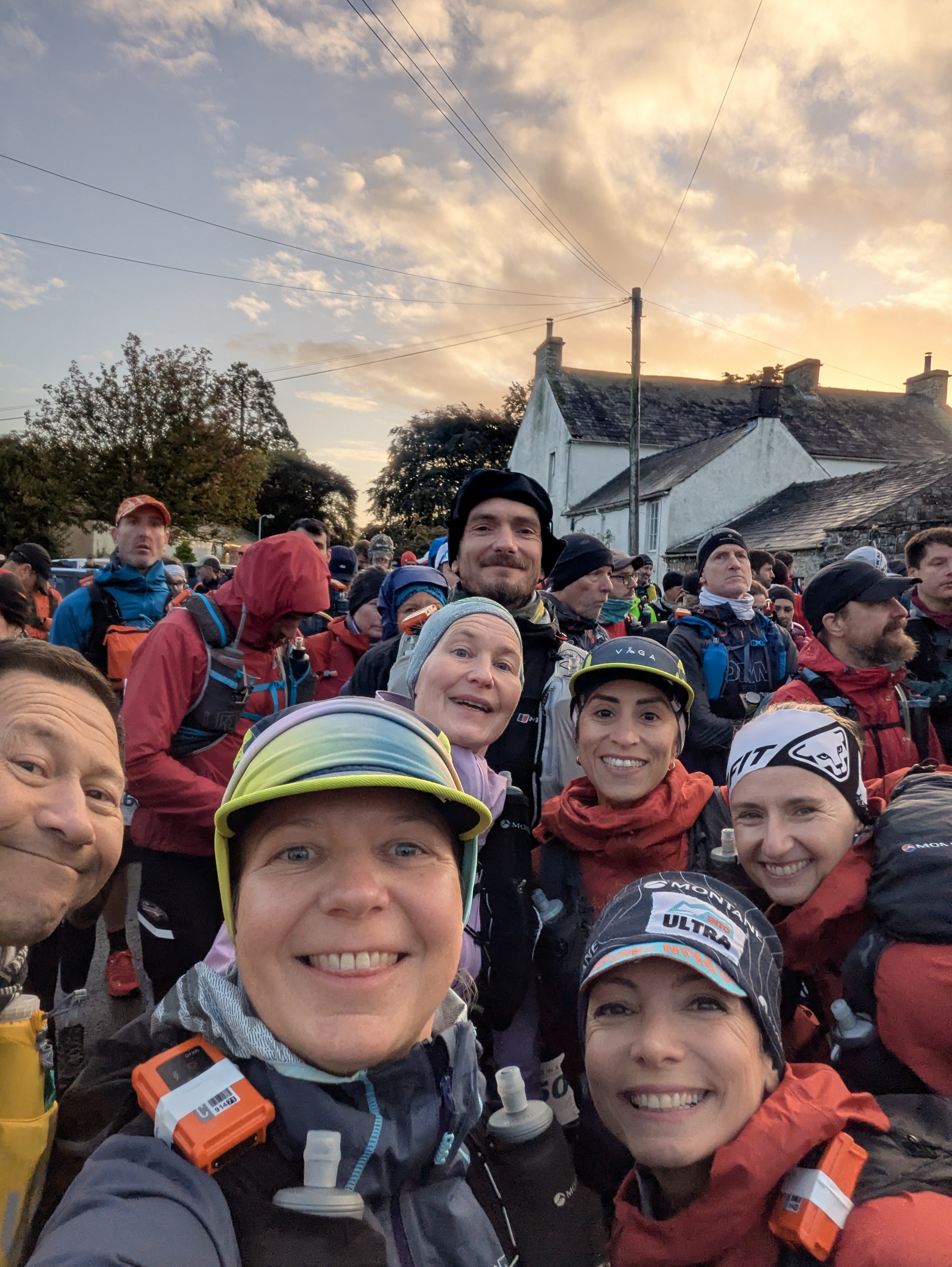
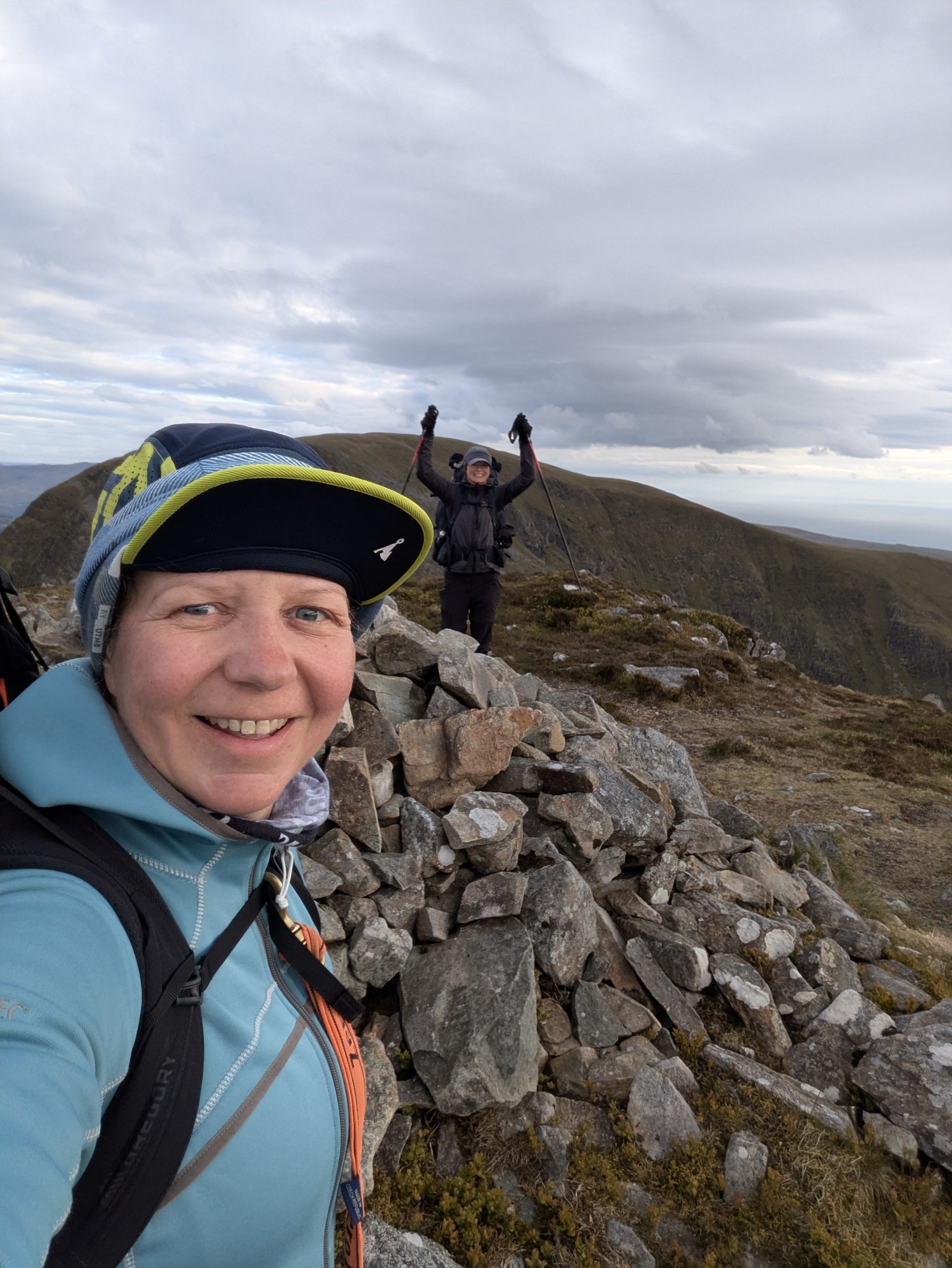
Running 50 miles across rugged terrain is ridiculous, and having a support crew or running buddies out there makes all the difference when things get grim.
The power of a crew
Whether they are pacing you on the final stretch, meeting you at aid stations to kick you out of a comfortable chair, or just waiting at the finish line with a pint, friends elevate the whole experience. Handing over the mental load of finding your spare kit to someone else at a checkpoint is invaluable.
Shared suffering
If you don’t have a crew, don’t worry – the back of the pack is the friendliest place on the course. Fall in with a group running a similar pace, share the navigation duties, and drag each other up the climbs. Trauma-bonding over a particularly brutal climb with strangers makes the longest miles fly by.
Ready to read how these tips played out on the trail?
Check out my full, unvarnished Lakes in a Day Race Report to see how an end-of-the-pack Southerner gained 64 places in the second half of a 50-mile mountain ultra!
FAQ: Surviving a Lake District Ultra
Do I really need to use running poles?
Yes. If you aren’t used to huge amounts of elevation, poles are non-negotiable. They save your quads on the brutal descents, help you power up the climbs, and give you much-needed balance when navigating deep, slippery bogs. Just make sure you practice stowing them and eating with them before race day!
What kind of trail shoes are best for the Lakes?
You need aggressive lugs for grip. The terrain switches constantly between deep mud, slick grass, and wet rock. Don’t worry about Gore-Tex – your feet will get completely submerged anyway (like at the River Caldew crossing in Lakes in a Day). Focus on shoes that drain well and dry quickly.
How strictly is the mandatory kit enforced?
Very strictly, and for good reason. The weather in the fells changes in a heartbeat. You can be hit by freezing rain and gale-force winds in the middle of summer. Expect full kit checks before the race and spot checks on the course. Do not skimp on your taped-seam waterproofs!
How do I train for the elevation if I live down south?
Manufacture the suffering. Hike with a weighted pack (10kg is a great start) over your local hills. Find the steepest incline near you and do relentless hill repeats. Make sure to train running downhill aggressively, as that is what will destroy your legs on race day.
Can I rely on real food, or should I take gels?
It is a mix. Carrying too much real food gets incredibly heavy. A great strategy is to figure out your exact carbohydrate needs per hour (not per mile) and test it thoroughly in training. Rely on liquid carbs and electrolytes (like Precision Hydration) in your flasks to hit your hourly targets and save weight; keep a few emergency gels on hand; and then gorge on the savoury, real food provided at the aid stations to avoid flavour fatigue.