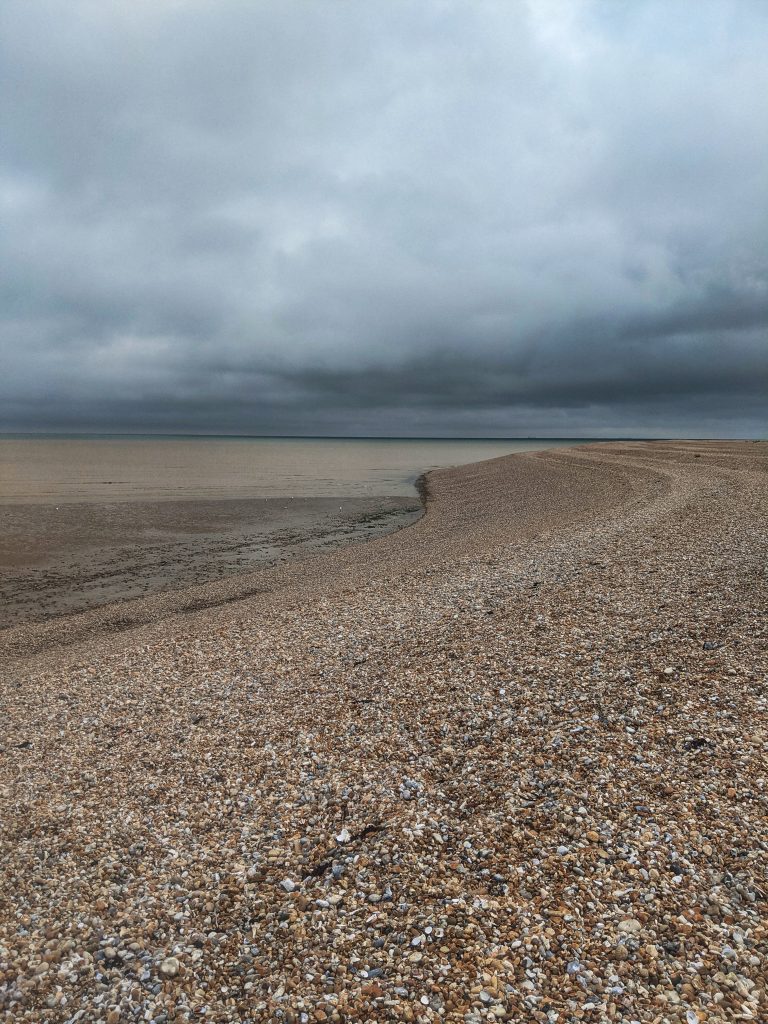
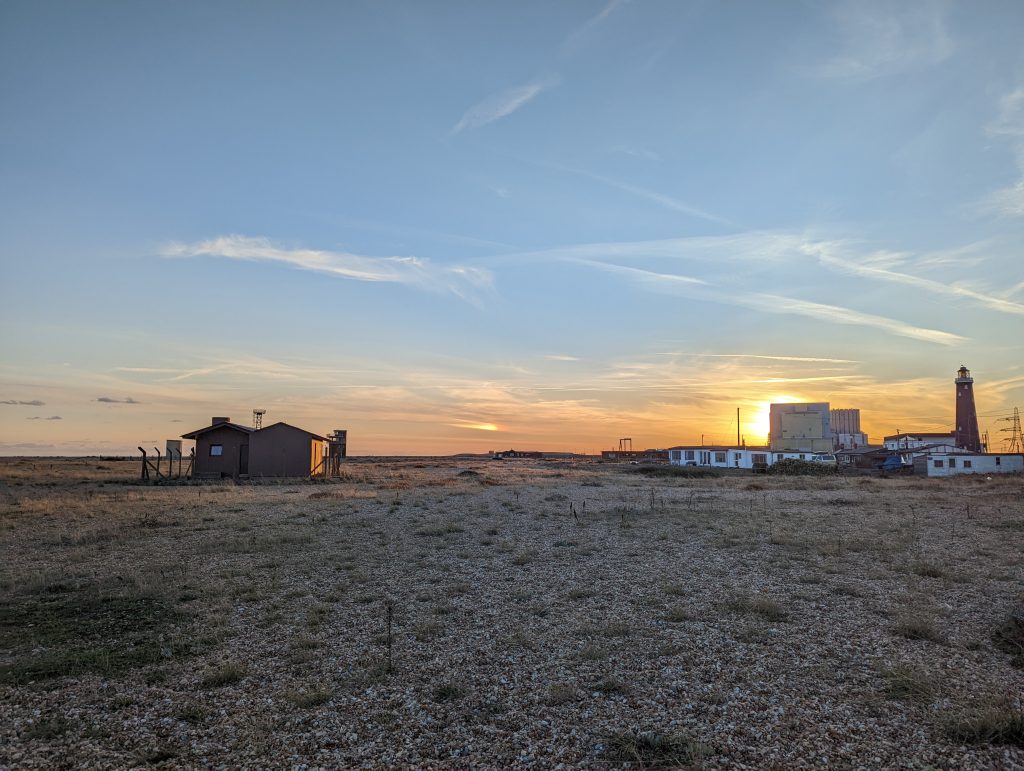
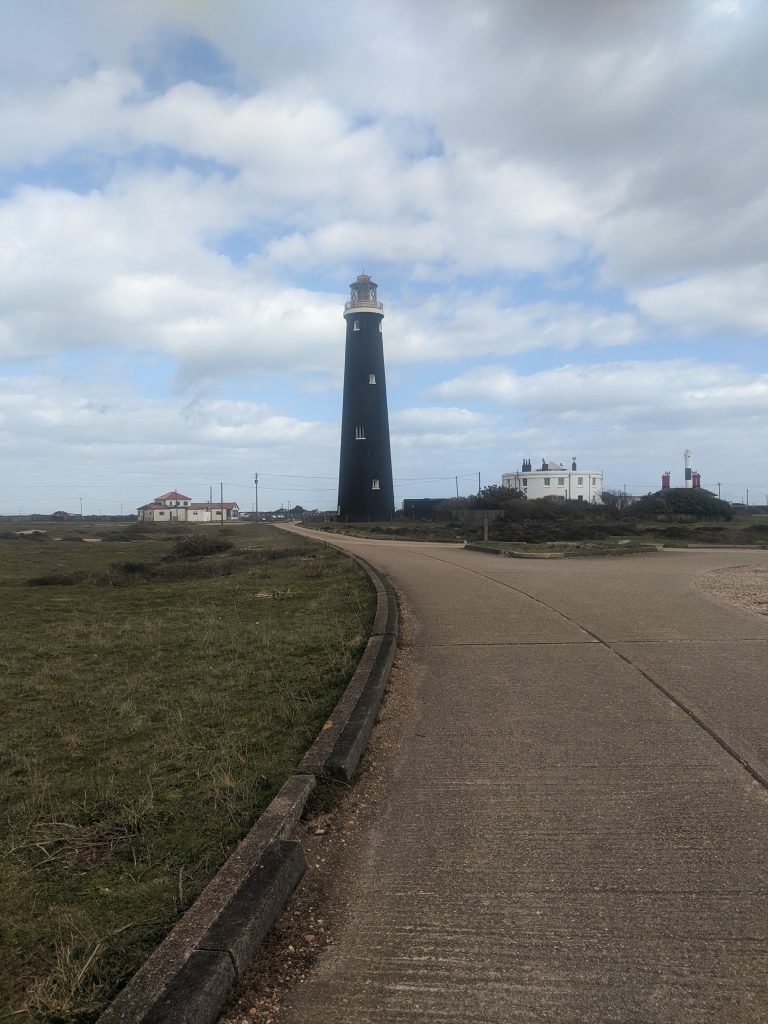
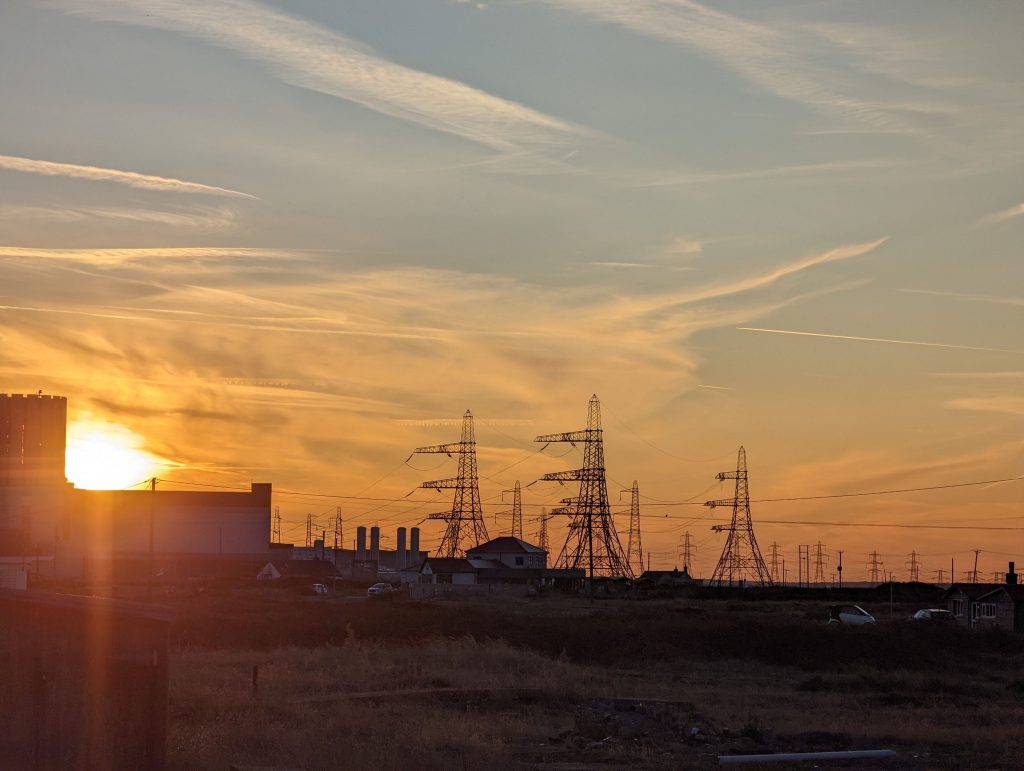
There is nowhere in Britain quite like Dungeness. Classified as a shingle desert, this vast expanse of gravel, low-lying coastal vegetation, and striking architectural contrast sits on the extreme tip of Kent. Flanked by nuclear reactors, historic lighthouses, and weathered wooden fisherman shacks, it offers an almost post-apocalyptic serenity – making it the ultimate coastal location for wild camping.
If you are looking for a unique, hassle-free microadventure idea, a Friday-to-Saturday trip here isn’t about trekking endless miles. Instead, it’s about stepping into a surreal, windswept canvas, watching the sun dip into the English Channel, and sleeping under a vast sky.
Quick Trail Briefing: Dungeness Microadventure
The Itinerary: Sunset to Morning Light
Pitching in Twilight
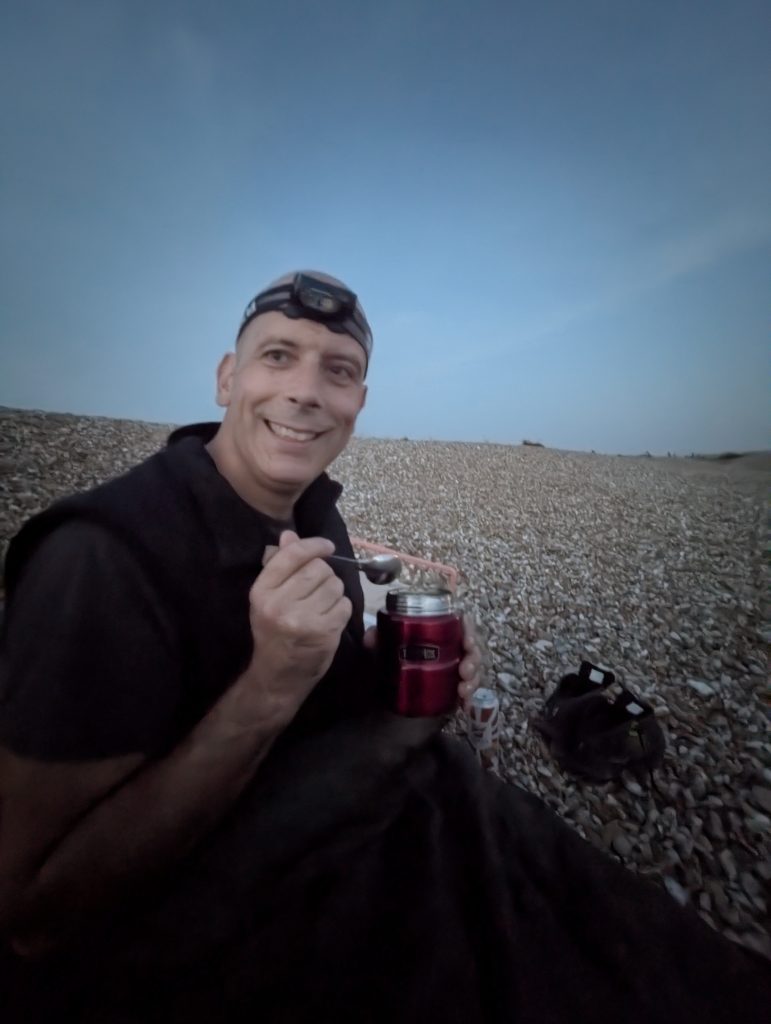
Arrive near your chosen spot as dusk falls. As the light fades into deep twilight, pitch discreetly away from any pathways or structures. It is recommended to do a recce, keeping in mind tide levels.
Sunset & Nightfall
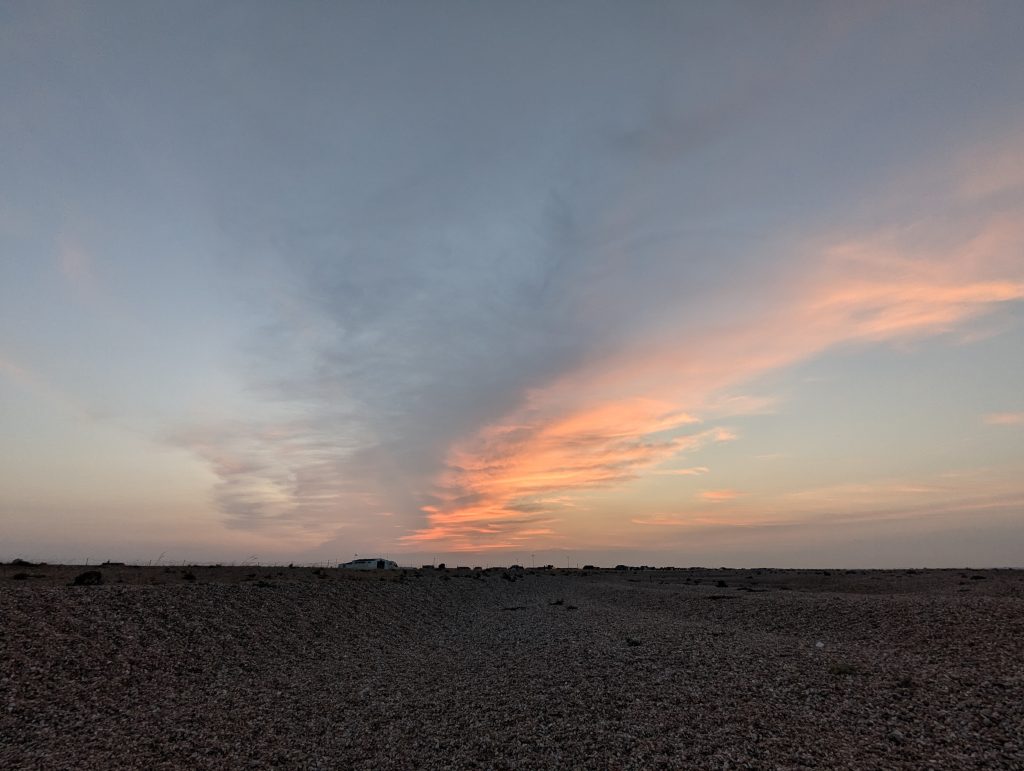
Watch the sky bleed pink and deep purple over the horizon. As darkness takes hold, the modern lighthouse beam cuts through the sea air, creating a rhythmic pulse across the shingle landscape.
The Perfect Morning
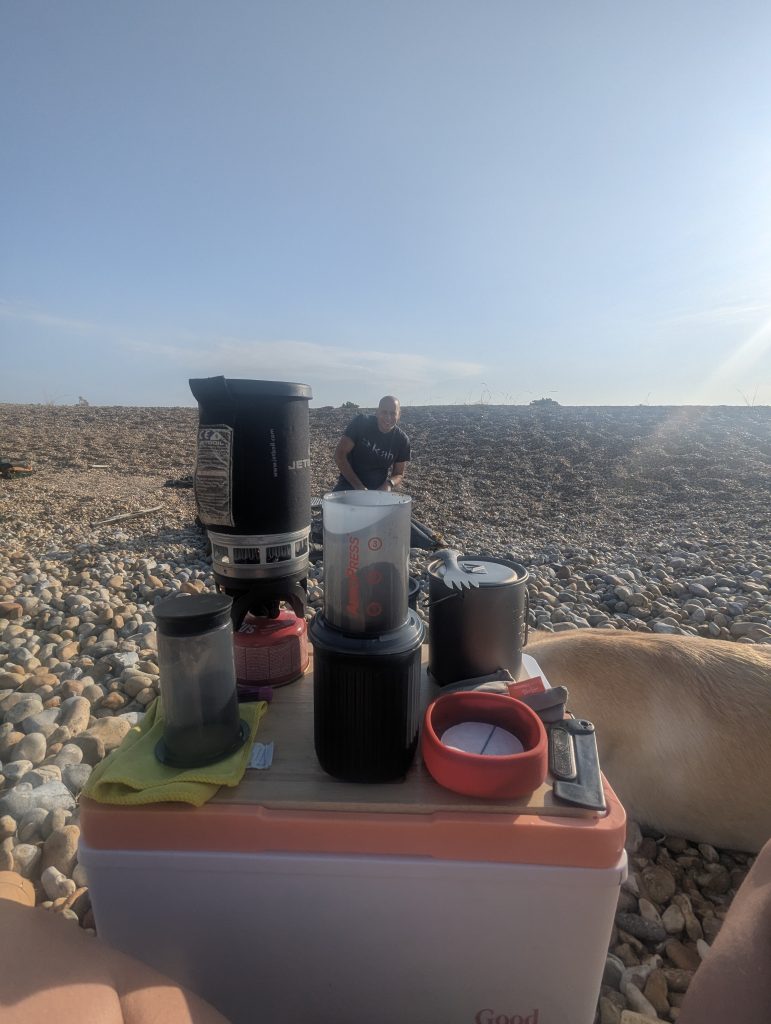
Set an early alarm for sunrise. Unzip your bivvy or tent to a cold, crisp coastal breeze, the aroma of salt air, and screeching gulls. Brew a quick coffee on a small stove, break down camp completely, and leave the ground untouched before the first daytime visitors arrive.
Mastering the Pitch: Camping on Shingle
Setting up camp on loose gravel requires specific techniques – standard tent pegs pull out instantly.
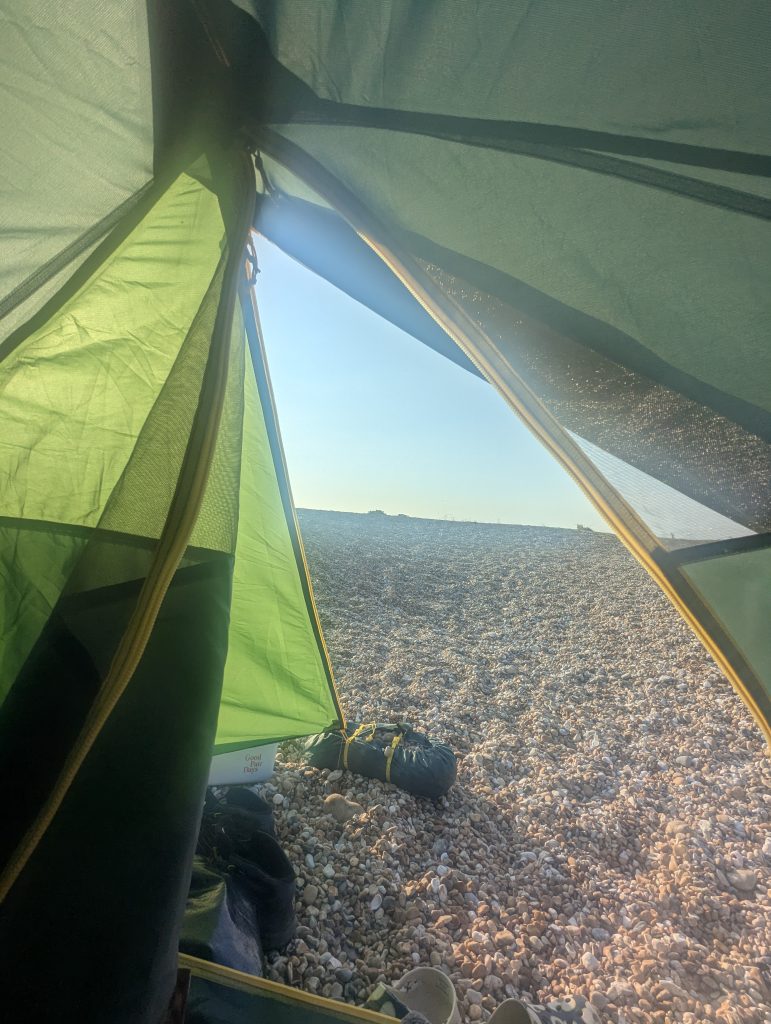
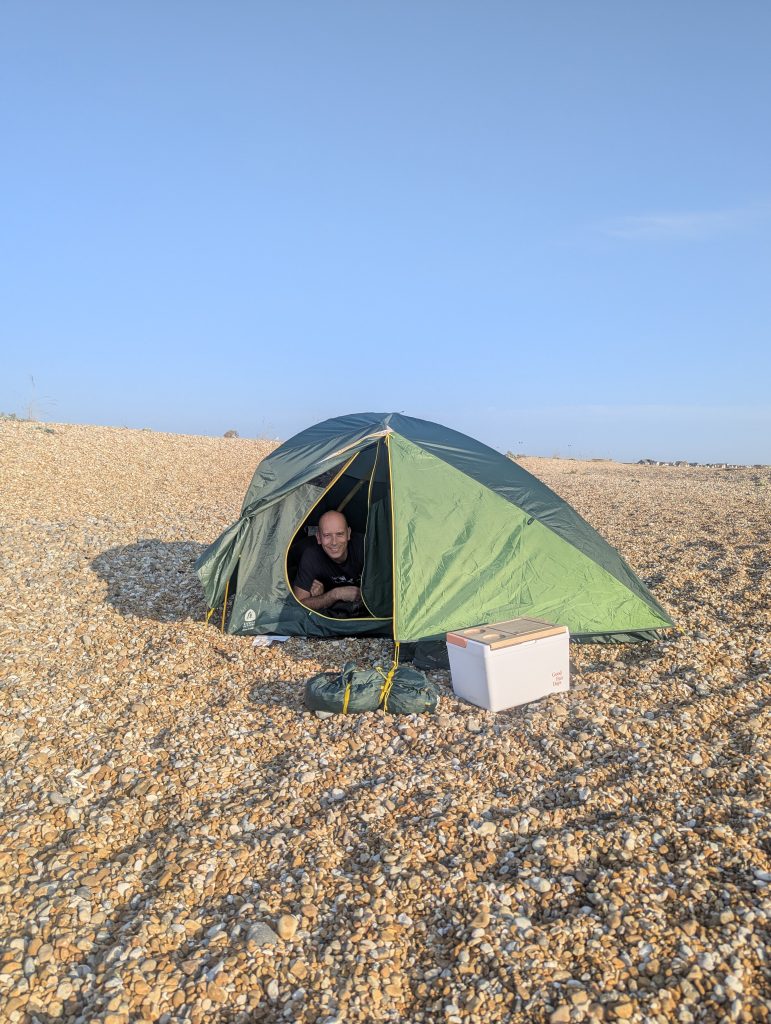
Option A: Free-Standing Tent on Shingle
Option B: The Bivvy (The Ultimate Discreet Alternative)
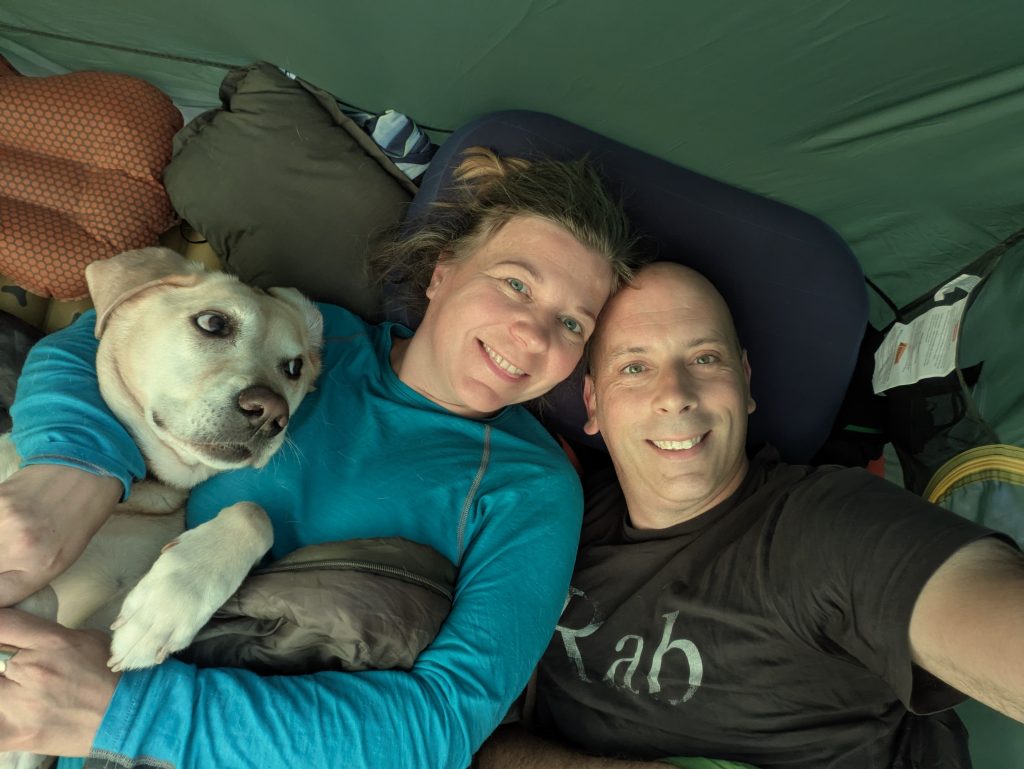
Because wild camping requires high discretion and the ground is tough, a bivvy bag paired with an inflatable sleeping pad is far superior to a tent here.
The Legal Side: A Word on Wild Camping
Wild camping is not legal in England without express landowner permission. Dungeness is also heavily protected as an SSSI (Site of Special Scientific Interest) and nature reserve, making stealth, discretion, and respect mandatory.
The Pub Guide: Refuelling Before the Pitch
Before setting off to pitch under cover of dusk, grab a meal and a drink at one of Dungeness’s two legendary local spots:
The Pilot Inn
The Britannia Inn
The Landscape: Key Points of Interest
Dungeness is a SSSI and a delicate ecosystem. As you explore, prioritise staying on established tracks and shingle banks to protect fragile flora like sea kale and viper’s bugloss.
Extending your Saturday trip?
Here are four ways to round out your weekend:
Frequently Asked Questions
Is it legal to wild camp in England?
Mostly no – at least not by default. In England, wild camping is illegal without the landowner’s permission, because almost all land is privately owned. This includes beaches, farmland, moorland, woodland, and coastal shingle like Dungeness.
There are two practical exceptions:
Dartmoor – Wild camping was historically allowed, then briefly restricted, then reinstated with a clarified system. You can only camp in specific permitted zones.
Stealth camping with discretion – Across England, many hikers still wild camp quietly, arriving late, leaving early, staying out of sight, and following strict Leave No Trace. It’s technically not legal, but it’s widely tolerated when done respectfully and invisibly.
Is Dungeness dog friendly?
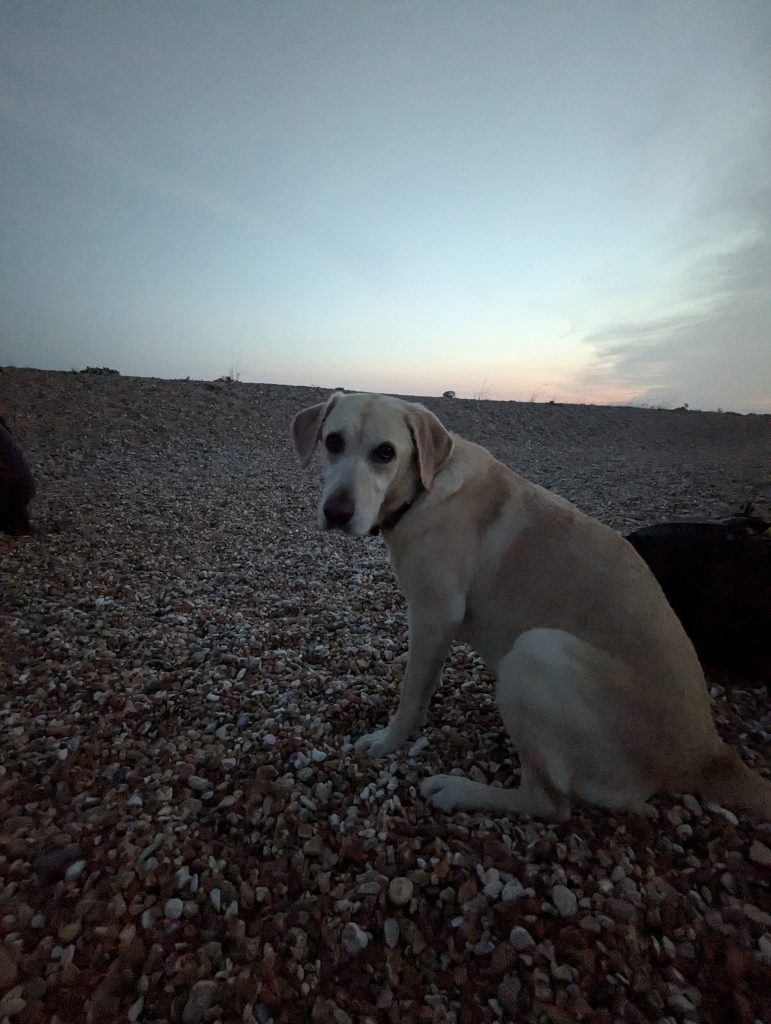
Absolutely. The shingle beach is huge, open, and perfect for dogs who love exploring. Just keep them away from nesting birds and be mindful of the tides.
What is the best tent for camping on shingle?
Standard tent pegs will instantly pull out of the loose stones. You must use a fully freestanding dome or geodesic tent that maintains its shape without guy lines, or rely on a low-profile bivvy bag.
Are there pubs or facilities near Dungeness?
Yes. Before setting up camp, you can refuel at The Pilot Inn (famous for its fish and chips) or The Britannia Inn, which sits directly between the two iconic lighthouses.
Getting There: Public Transport from London & Ashford
Despite its end‑of‑the‑world vibe, Dungeness is surprisingly reachable.
From London
London St Pancras → Ashford International High‑speed train, around 40 minutes.
Ashford International → Dungeness Stagecoach Bus 102 towards Lydd / New Romney.
Get off at Lydd‑on‑Sea for quieter northern shingle.
Or stay on to Dungeness Power Station for the lighthouse end. Bus time: 35-45 minutes.
From Ashford
Same 102 bus, running roughly every 30-60 minutes depending on the time of day.
If you’re arriving late, the walk from Lydd‑on‑Sea to the quieter beach is 1.5-2 miles – easy coastal road, big skies, and the lighthouse guiding you in.
Is it true Ed Sheeran owns a place in Dungeness?
Yes. Ed Sheeran and Cherry Seaborn bought a converted 1880s Victorian railway carriage on the headland for around £650,000. He’s used it as a private writing and recording space, sharing glimpses of his setup online. The stark, empty landscape – lighthouses, shingle, the Britannia Inn, and even the power station – inspired his song “England” on Autumn Variations.
Why does Dungeness inspire musicians and artists?
The combination of isolation, huge skies, industrial structures, and weather‑beaten textures creates a mood that’s hard to find anywhere else in the UK. It’s quiet, strange, and visually dramatic – perfect for writing, photography, and introspective escapes.
What makes Dungeness such a unique place?
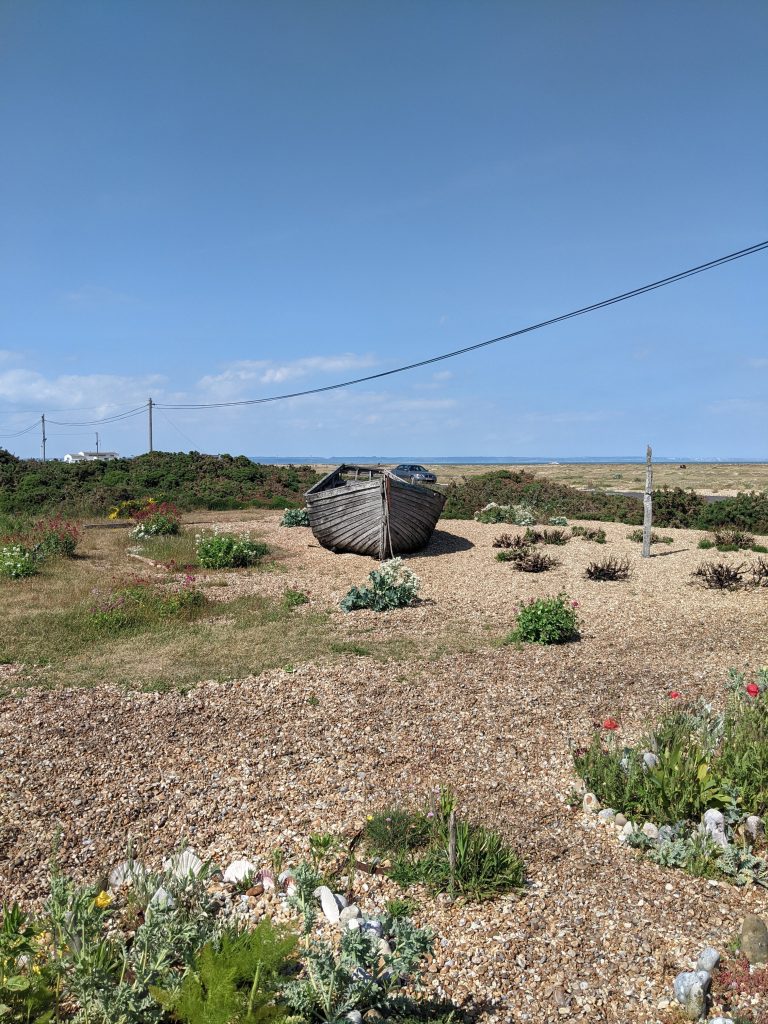
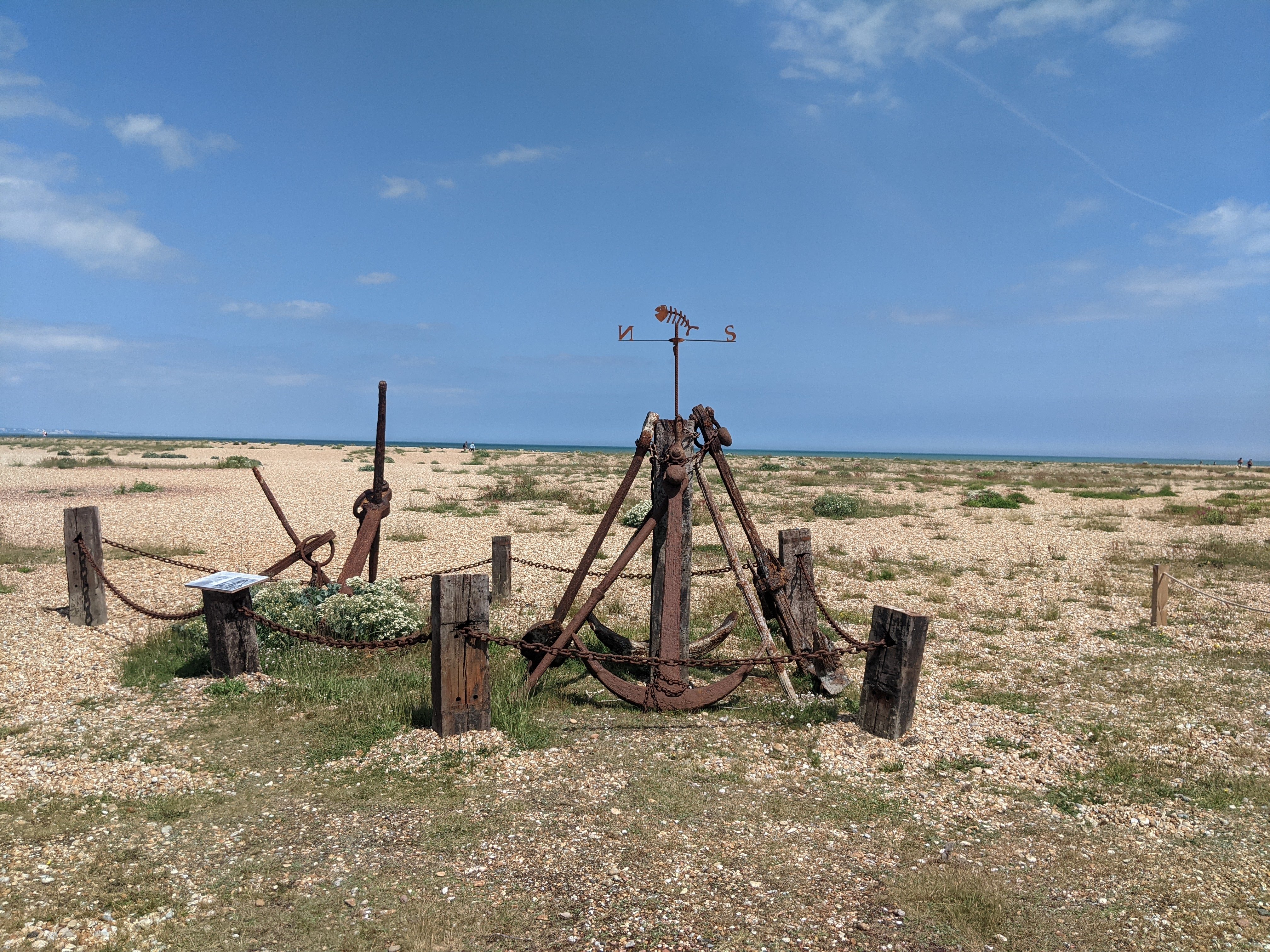
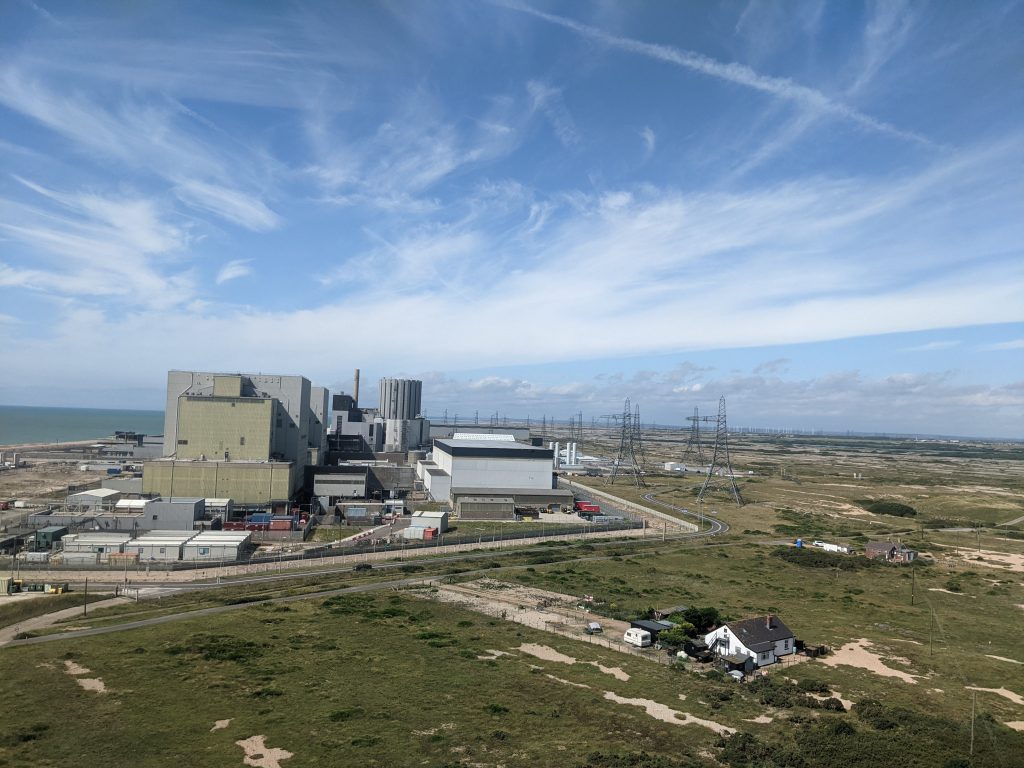
Dungeness is one of the UK’s only desert landscapes – a vast shingle headland dotted with weather‑beaten huts, abandoned boats, two lighthouses, and the looming silhouette of the nuclear power station. It feels remote, cinematic, and slightly surreal, even though it’s easy to reach by public transport.
Is there anything I should avoid?
Avoid:
Pitching too close to the tide
Disturbing the fragile shingle ecosystem
Camping near the road or visible structures
Wandering into restricted areas near the power station