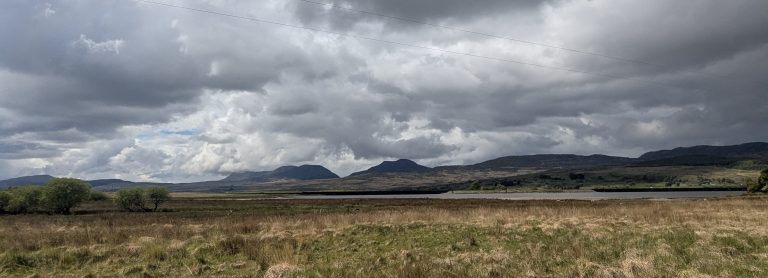
Dartmoor is one of the few places in England where wild camping is still legally permitted, thanks to designated areas across the moor where backpackers can pitch for a night under the stars. That freedom – rare in the UK – makes Dartmoor a magnet for microadventures. Its open moorland, granite tors, wild ponies, and deep‑rooted folklore create a landscape that feels remote yet reachable, rugged yet welcoming. Combine that with the moor’s vastness, its network of ancient tracks, and the ability to roam responsibly, and you get the perfect recipe for a quick escape: drive in, hike out, pitch up, and wake to one of the wildest sunrises in England.
For anyone craving adventure without needing weeks of planning, Dartmoor delivers. You can finish work, throw your kit in the car, and by nightfall be walking into a landscape shaped by weather, myth, and time. Legal wild camping on Dartmoor means you can settle into the moor’s quiet corners, brew a late‑night tea, and fall asleep beneath skies that feel far bigger than the journey it took to get there. It’s microadventure heaven – simple, spontaneous, and wonderfully wild.
Camping Hacks
The Night Arrival
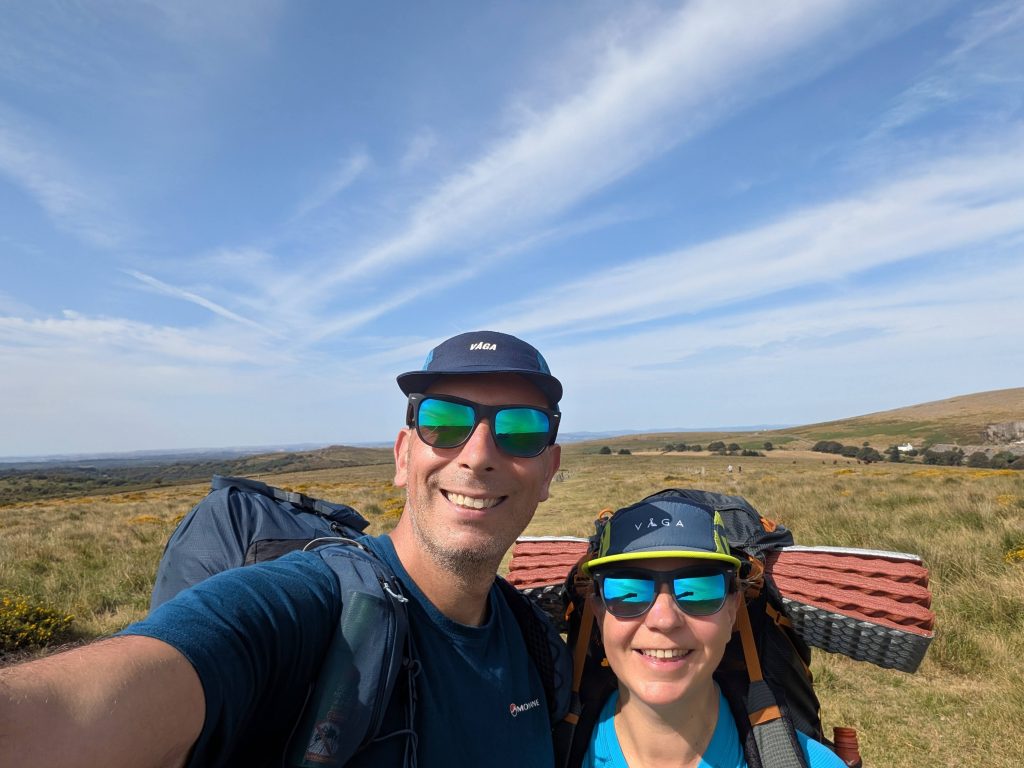
We left the southeast corner of England at 5pm, the car humming with anticipation and Poppy’s head bobbing between windows. By 10:30pm we rolled into Dartmoor, parked at the second layby past Princetown on the road toward Tavistock, and tightened our boots. With headtorches on and packs adjusted, we set off into the dark to find a pitch – the kind of spontaneous, two‑day escape that feels enormous compared with the hours it takes to get there.
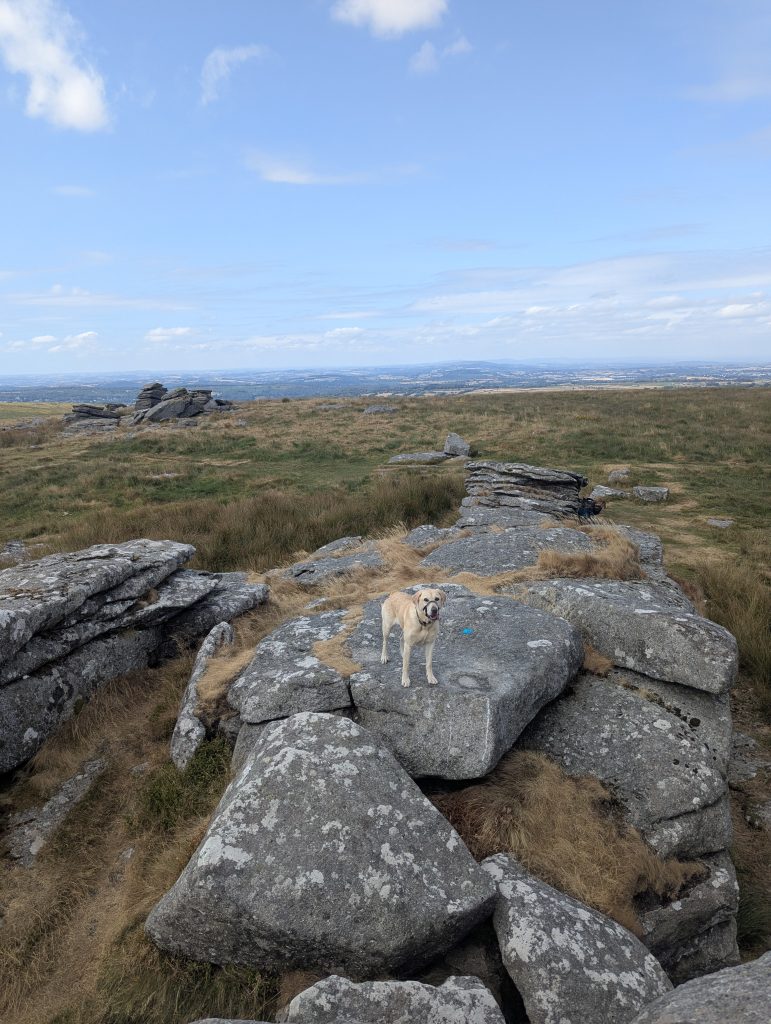
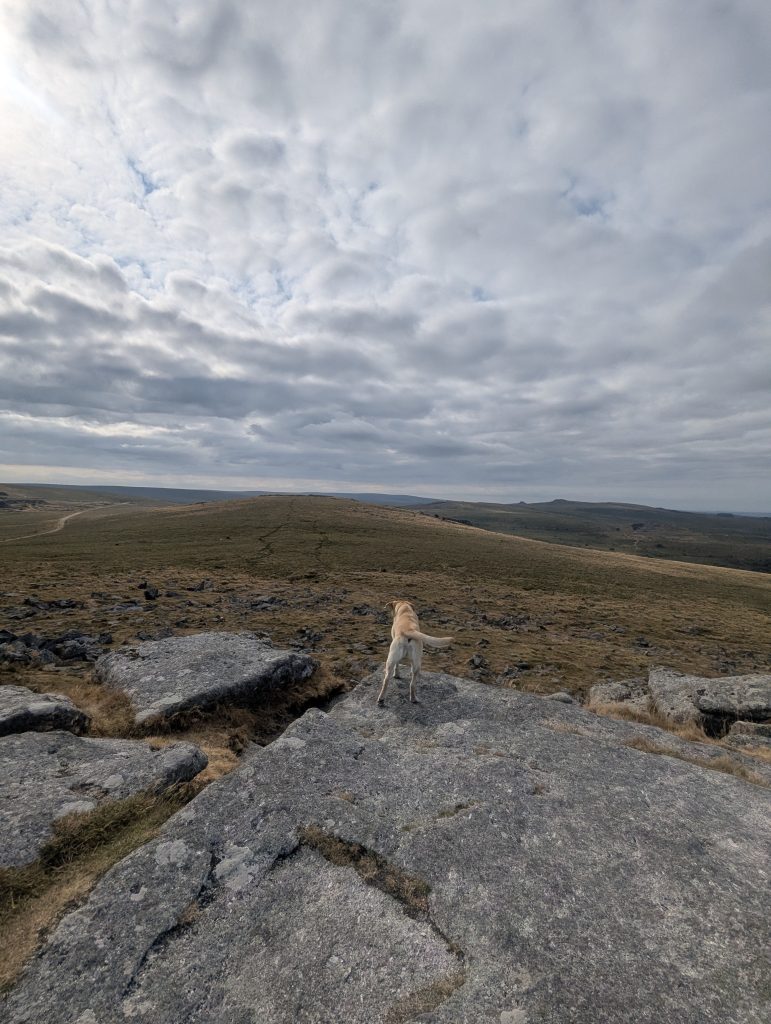
Walking into Dartmoor after dark changes everything. The moorland swallows sound, and the sky opens up; the map becomes a series of landmarks you feel rather than see. We took a bearing for King’s Tor but found a perfect camping spot not far from the stream. Poppy sniffed every tuft of grass like she owned the moor. We set up quickly and made tea. The first hack: arrive with a plan, but be ready to adapt – a flexible route and a shortlist of likely pitches help you stay calm rather than frantic when you have a late arrival.
Rise and Roam
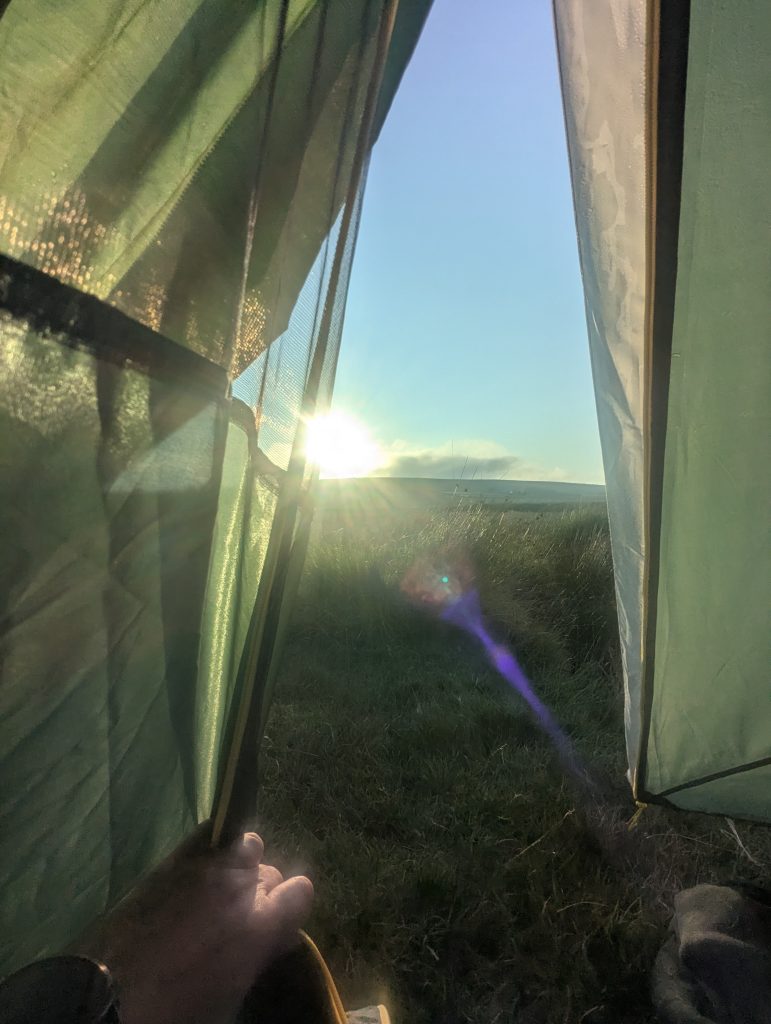
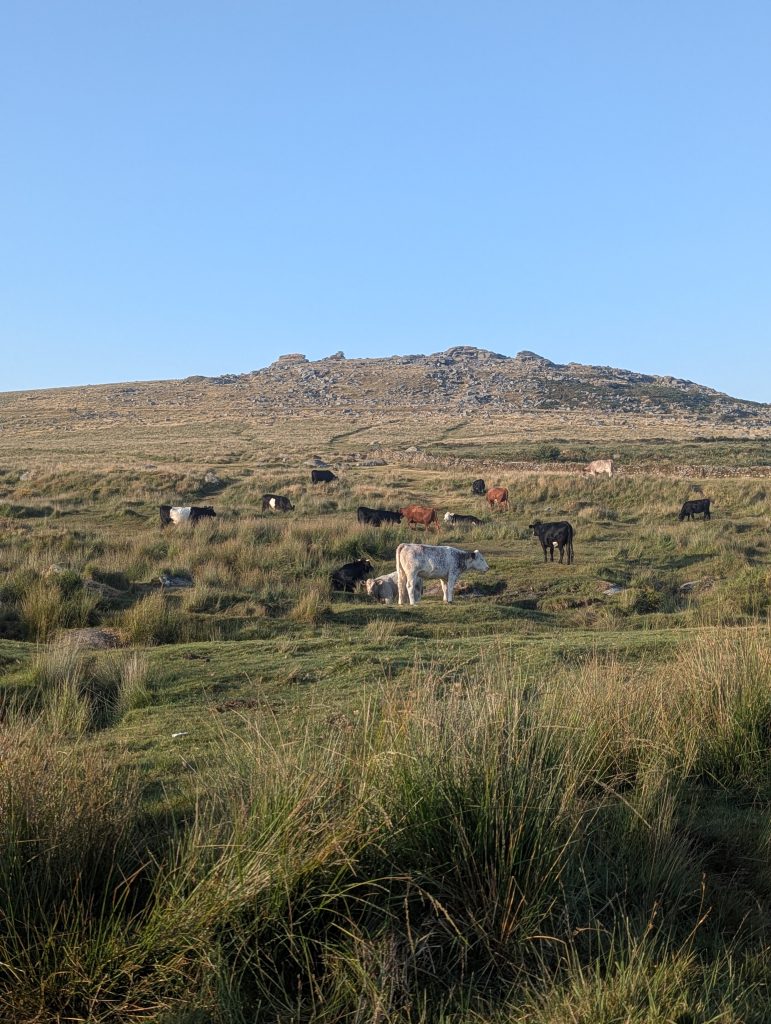
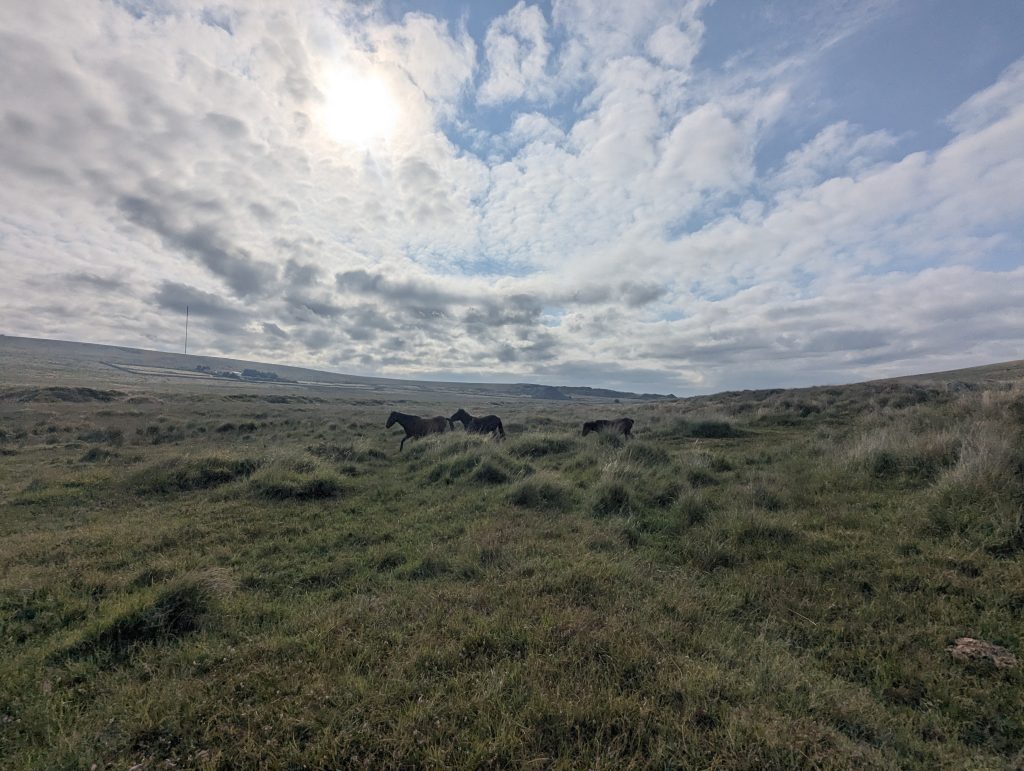
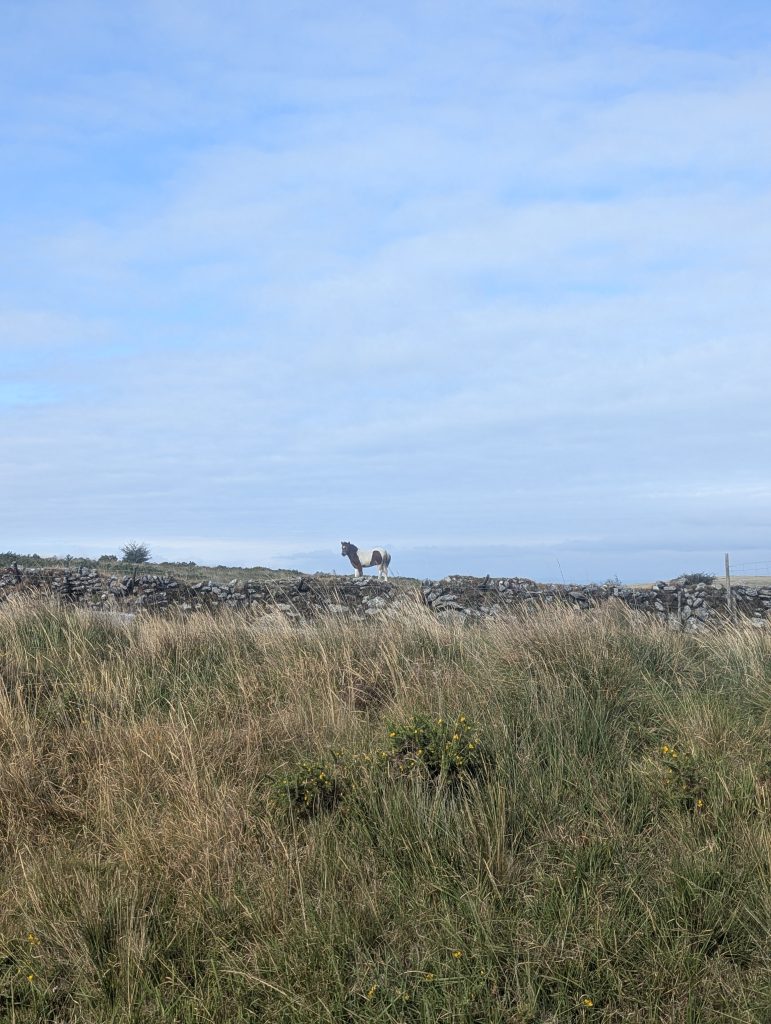
Morning on Dartmoor brings its own magic. Near our camp, curious cows grazed quietly before a herd of wild horses thundered past – nothing says Dartmoor like spotting a Dartmoor pony in the dawn light. We packed up camp carefully, making sure to leave no trace behind. We fetched water from the stream and filtered it, brewed coffee and enjoyed my speciality trail porridge before setting off.
Hack Number Two: have a water filtering system so you can enjoy the vastness of the moor without worrying about supplies.
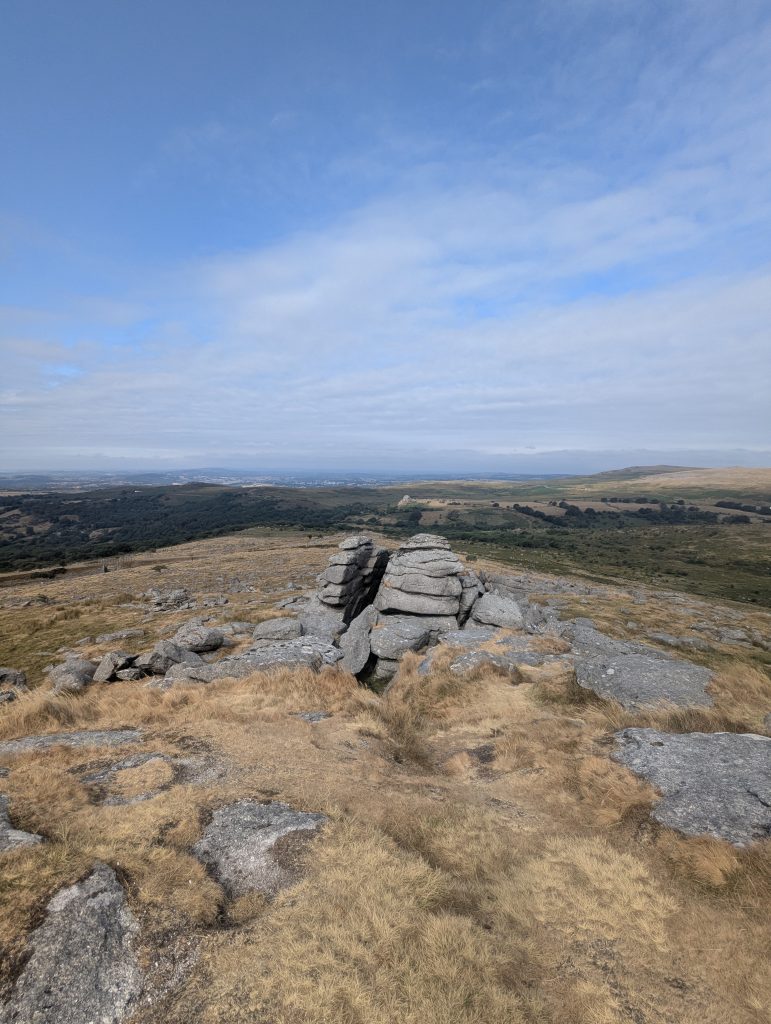
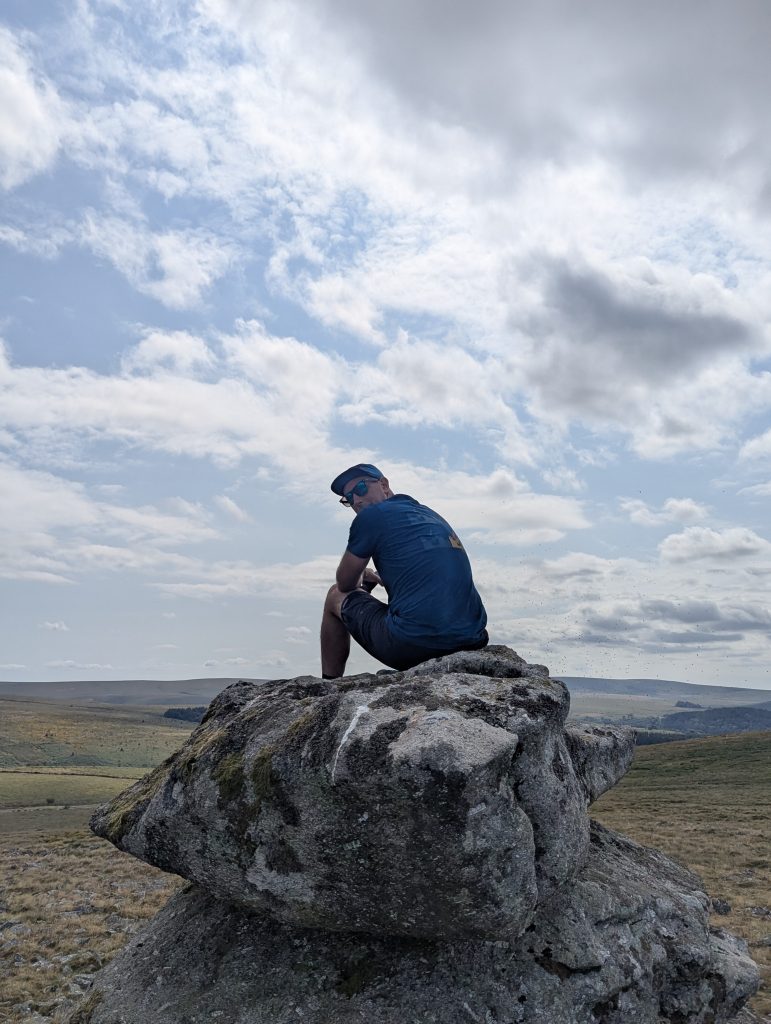
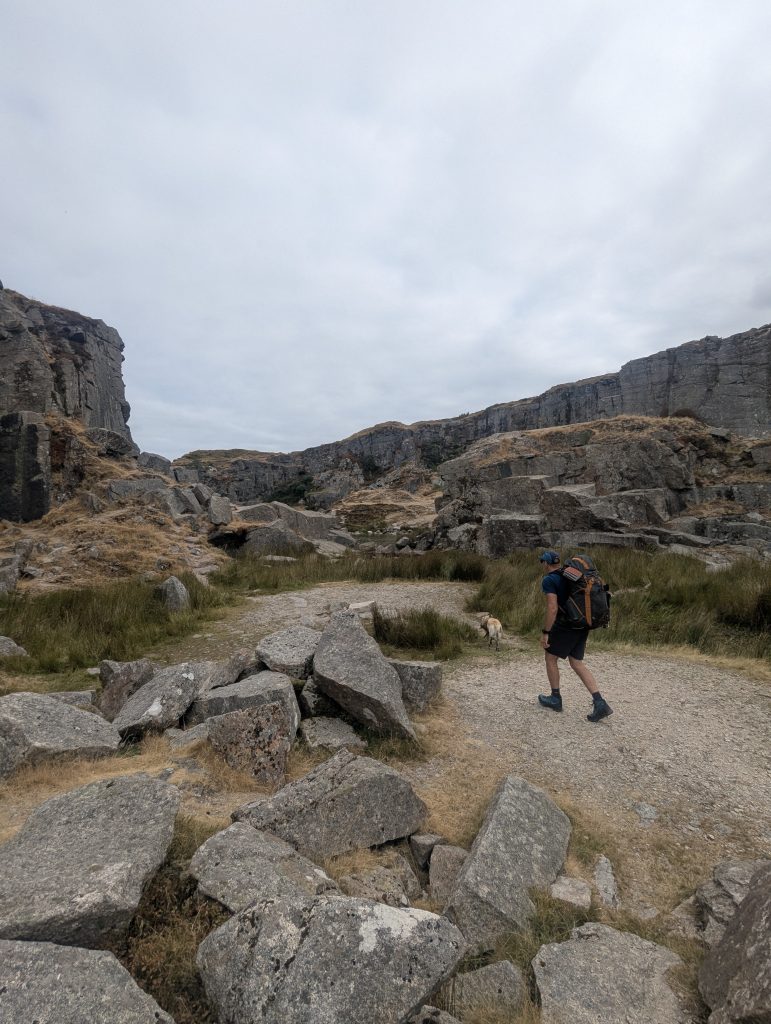
Our route aimed toward Foggintor Quarry, a dramatic granite quarry with a rich 19th-century industrial history, known for its towering cut faces and tranquil waters that reflect the surrounding moorland. A scenic mile later, we arrived at an incredible wild swimming spot. But first, we climbed King’s Tor, where we spotted a father and daughter duo enjoying wild camping.
Foggintor Quarry and Crazywell Pool Wild Swimming Spots
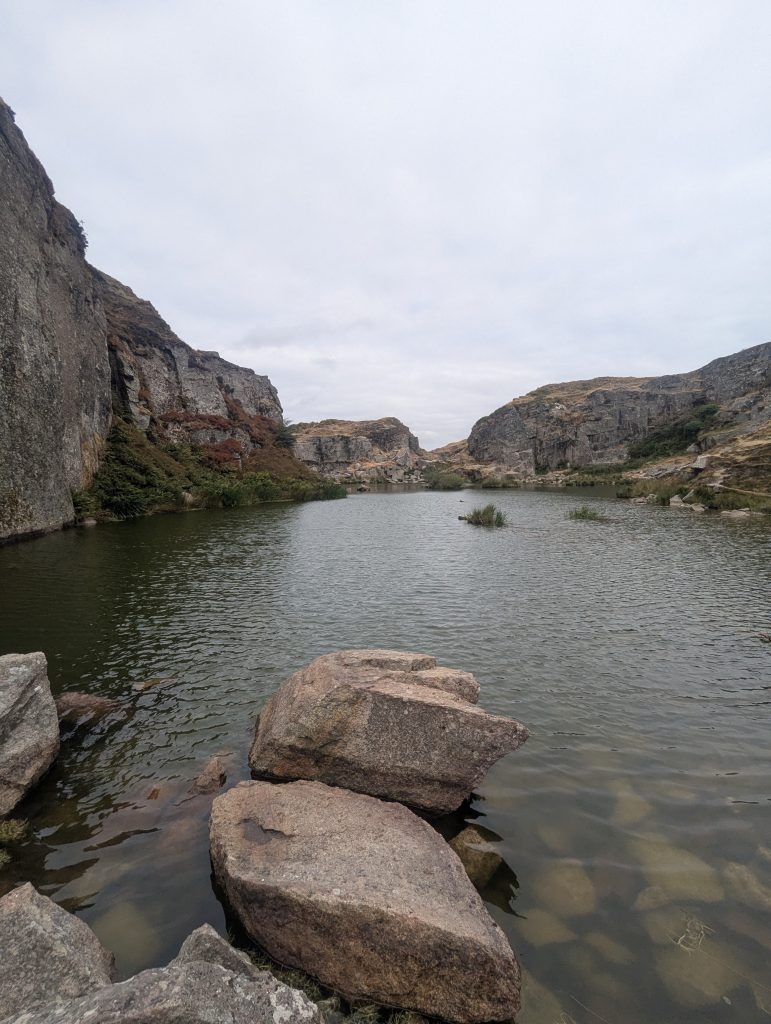
Foggintor Quarry falls outside the designated backpacking area, so you cannot legally wild camp on Foggintor Quarry, but it is one of Dartmoor’s most stunning and atmospheric wild swimming spots. This abandoned 19th-century granite quarry, nestled between Princetown and Tavistock, has flooded over time to become a dramatic, cliff-lined amphitheatre of water. It’s a magnet for open-water swimmers, rock climbers, and hikers alike. The water is clear and mirror-like, and thanks to the high stone walls shielding it from the wind, the surface can feel surprisingly warm on a summer’s day.
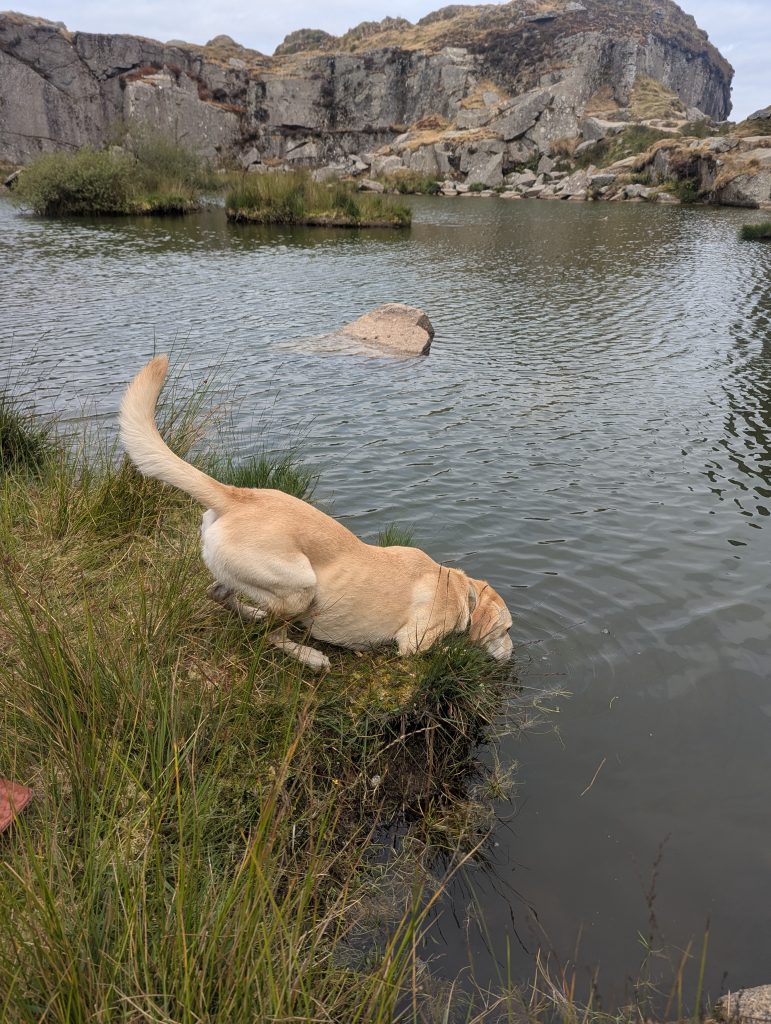
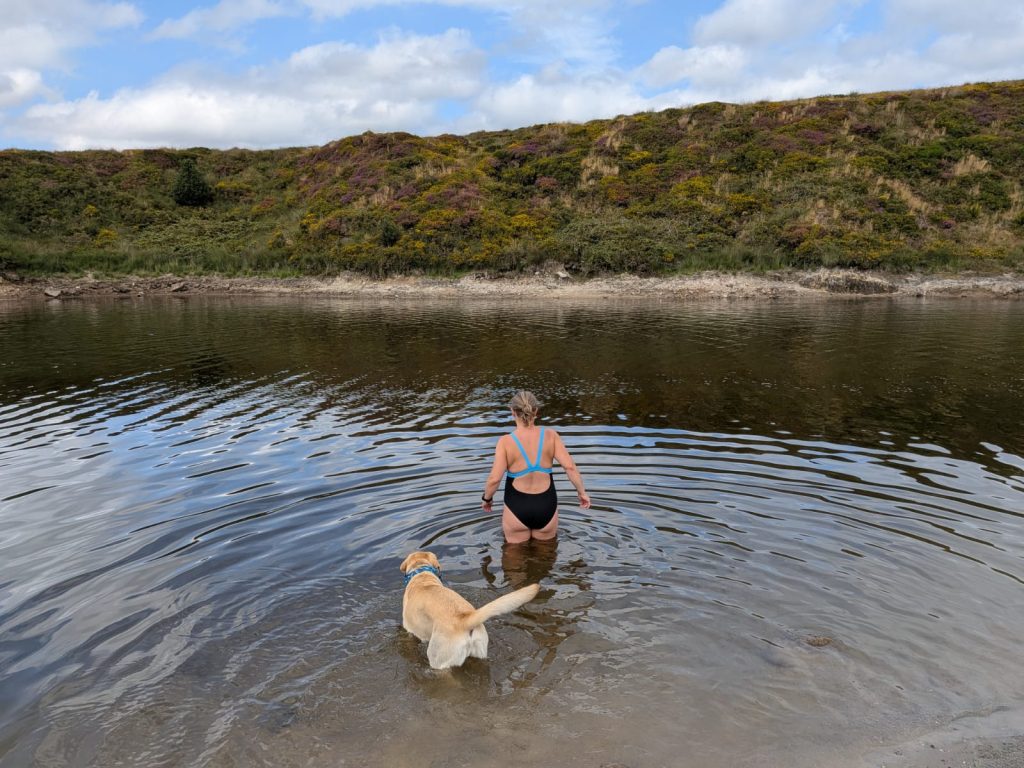
We picked our way along a rocky path until the pool suddenly opened up before us. The quarry bottom was a jumble of rocks and pretty shallow – probably due to the recent drought and our entry on the “shelf” side. Other bloggers rave about how quickly it gets deep, but for us, it was more of a gentle dip. Keen wild swimmers, we found a good entry point, popped on our cosies, and slipped into our swim gear: neoprene boots for Terry, and trusty crocs for me. Yes, I braved the water in crocs.
Hack Number 3: you can absolutely swim in crocs. They’re featherlight, perfect for pottering around camp, middle-of-the-night wees, and, well… swimming. Plus, when packed, you can tuck something inside to save space and protect delicate bits.
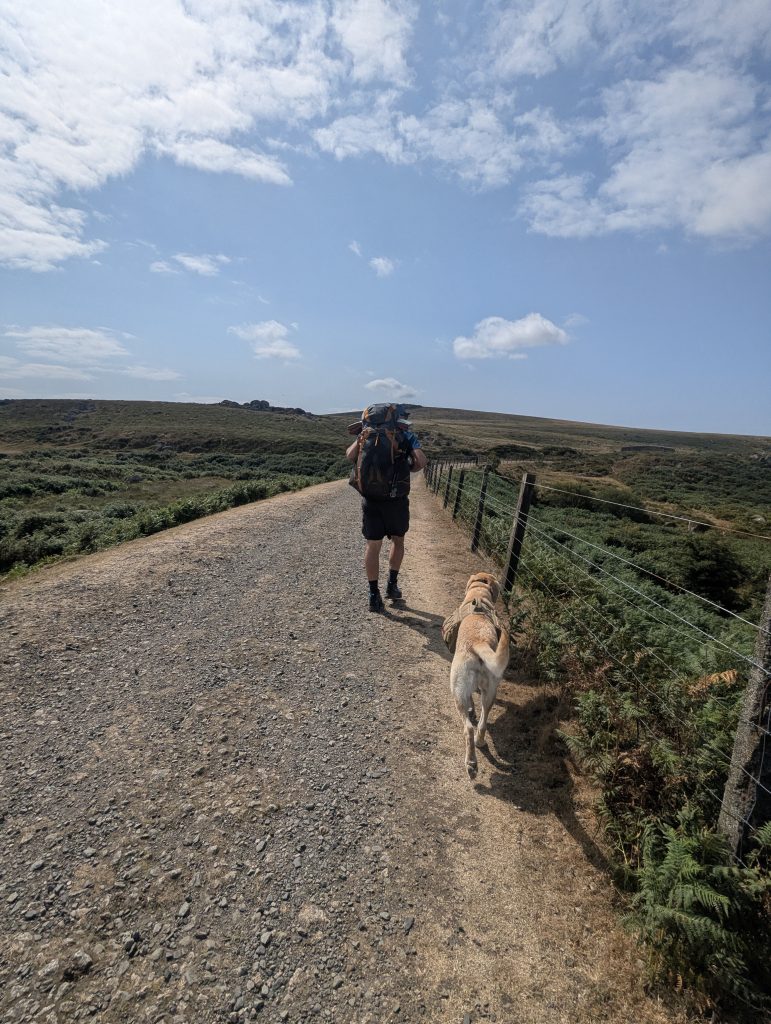
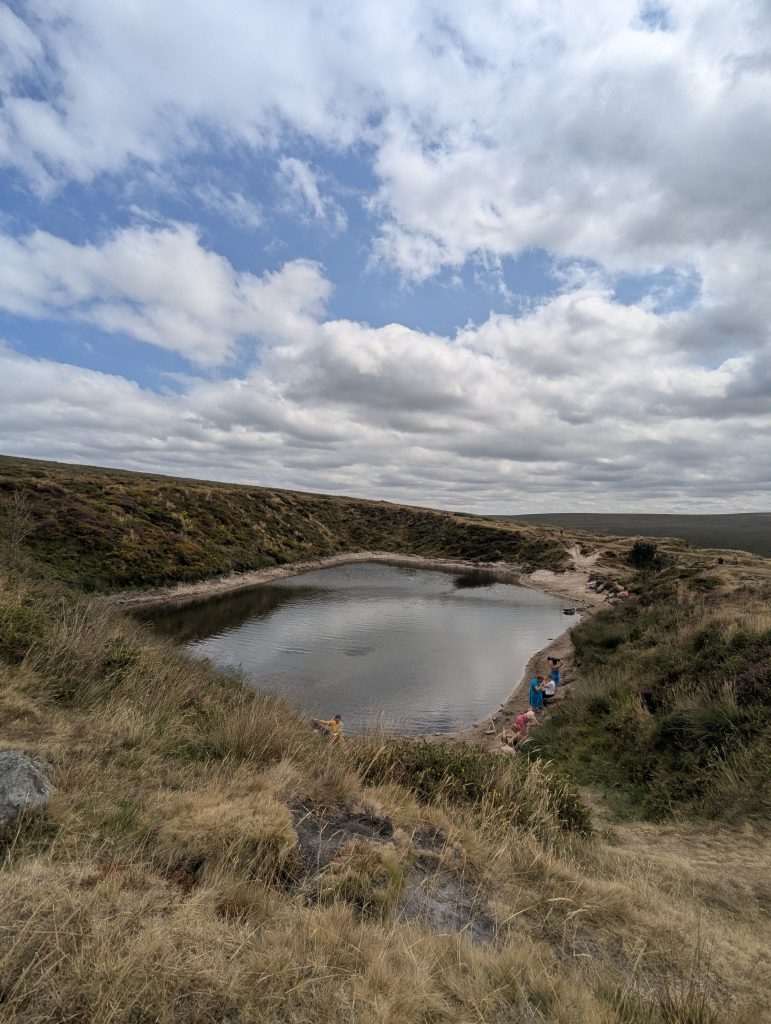
After the blissful swim, we laced up our hiking boots, grabbed a snack, and set off on a scenic 3-mile (5K) hike to Crazywell Pool. We paused for a cheeky break by Leeden Tor to soak up the view. Once we arrived, lunch was priority number one – we put a new freeze-dried brand called Food Force to the test. Then came dip number two of the day. Poppy was trailing along all cute and obedient until she spotted another dog playing fetch in the water and promptly decided to nick the ball for herself. The pool was much deeper, pretty popular with people and dogs, and probably the easiest swim spot we found. Deep right from the get-go, so we enjoyed a proper, no-holds-barred dip
Crazywell Pool is a large, mysterious moorland pool on Dartmoor, famous for its dark folklore, tin-mining origins, and popularity as a wild swimming spot. Measuring roughly 100 meters long, it sits high on the open moor below Cramber Tor, not far from Burrator Reservoir and Princetown.
Local legends claimed the pool was bottomless – villagers once tied together 540 feet of church bell ropes trying to find the bottom. That myth was busted in 1844 when the pool was pumped dry and found to be about 16 feet deep. Folklore also warned that seeing your reflection in the pool meant death within a year, and that the water “calls out” the name of the next parishioner destined to die.
Pints, Pitching, and Starry Nights
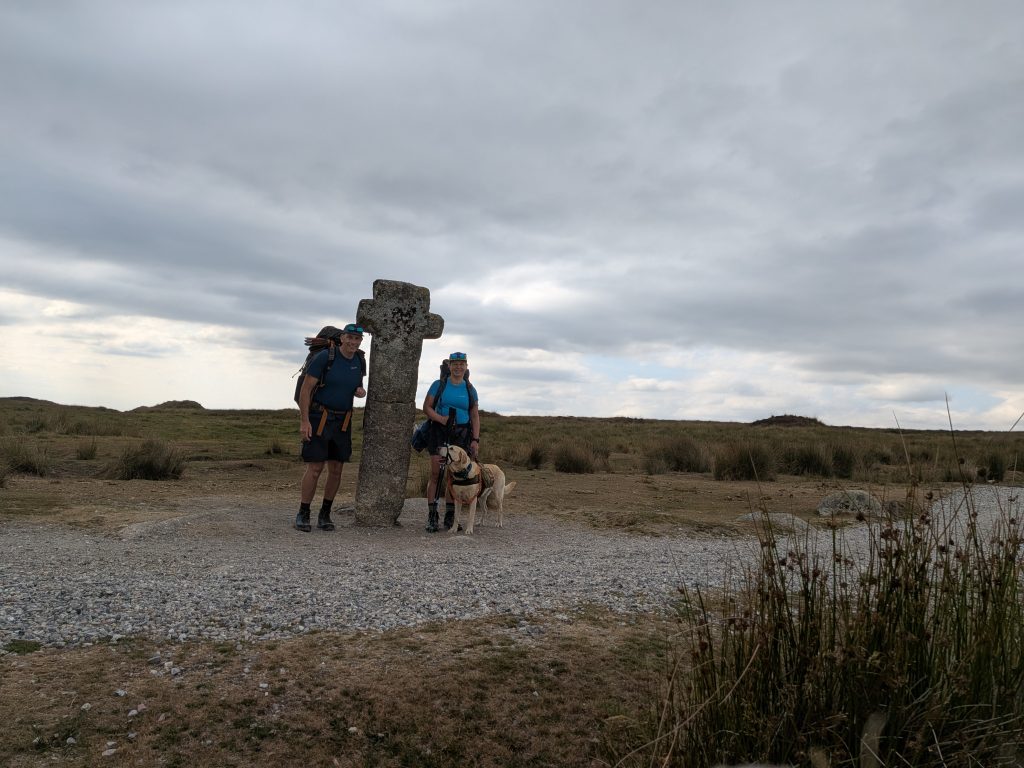
After drying off and getting dressed, we headed to Nun’s Cross, an evocative, isolated crossroads on the wild moor about 4 km south of Princetown. Here you’ll find Siward’s Cross – the oldest, largest, and best-known wayside cross on Dartmoor – standing stoic beside the desolate Nun’s Cross Farm. It’s the kind of place that makes you pause, soak in the moor’s wildness, and maybe wonder about the centuries of footsteps that passed this lonely spot. Then we made a cheeky detour into Princetown to sample some local beverages.
We went to The Plume of Feathers, a spot Terry knows well from his military days. We knocked back a couple of cold pints, grabbed freshwater – hack number 4: fresh running water can be scarce on Dartmoor during a dry summer, so think ahead about where to fill up and how much you’ll need.
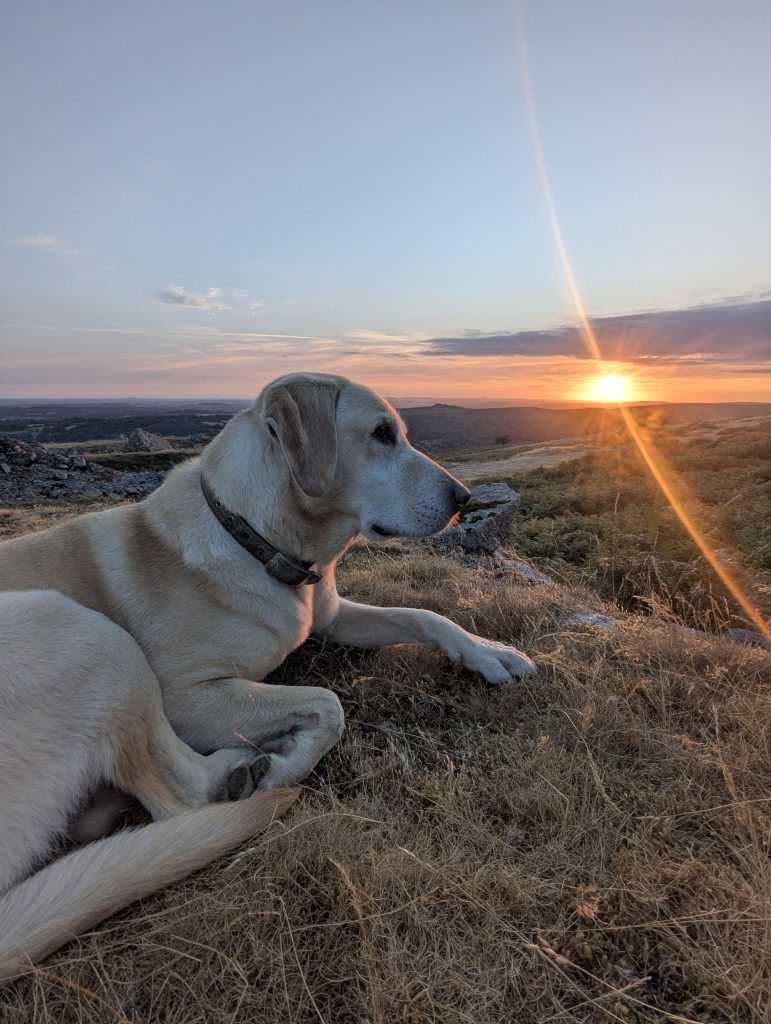
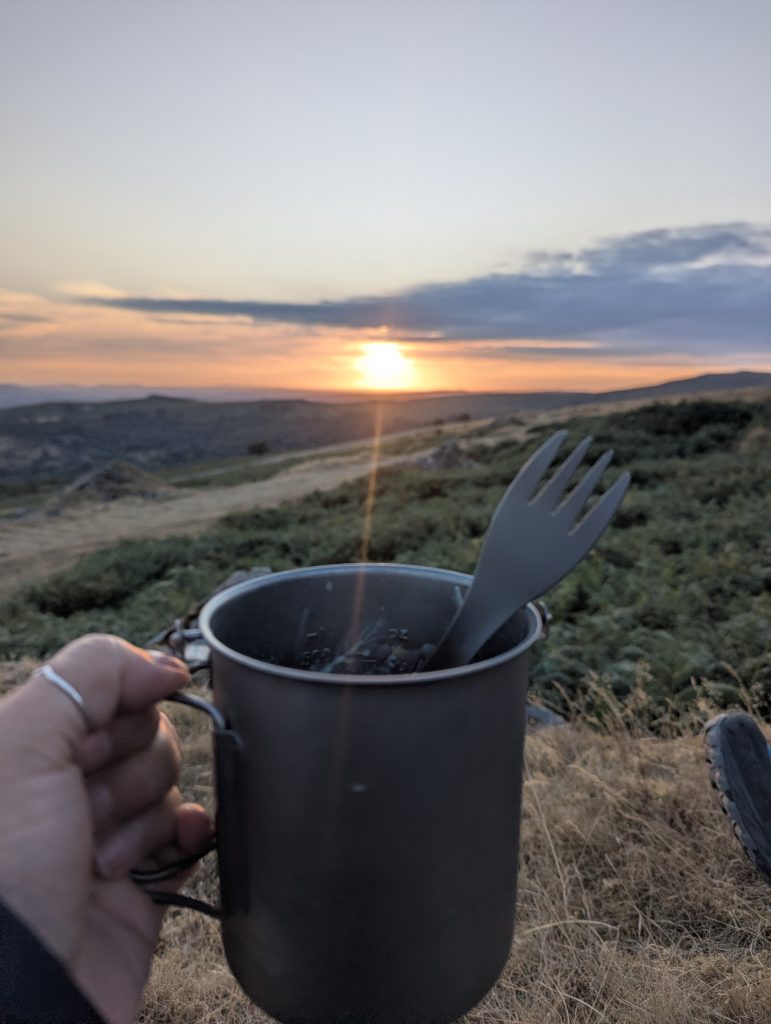
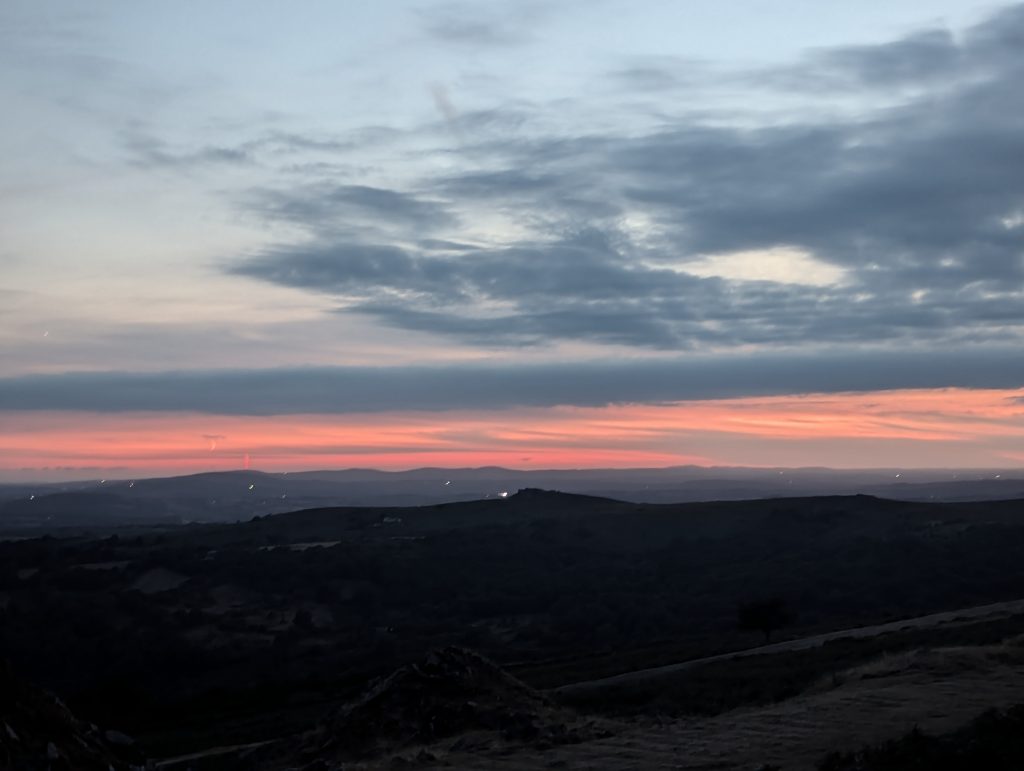
Then, as the sun dipped low, we made our way to pitch the tent on the south-west side of Swelltor Quarry. It was nice to see other wild campers scattered around as we were walking to find our spot. Dinner was a quick affair – Huel packets – just in time to sit back and soak in the sunset. As night fell, the sky cleared to reveal a star-studded show. We wrapped up warm and stared up until the cold chased us inside.
Hack Number 5: always pack a warm insulated layer – even in the middle of the warmest summer, Dartmoor likes to remind you who’s boss.

Morning Brews and Ancient Views
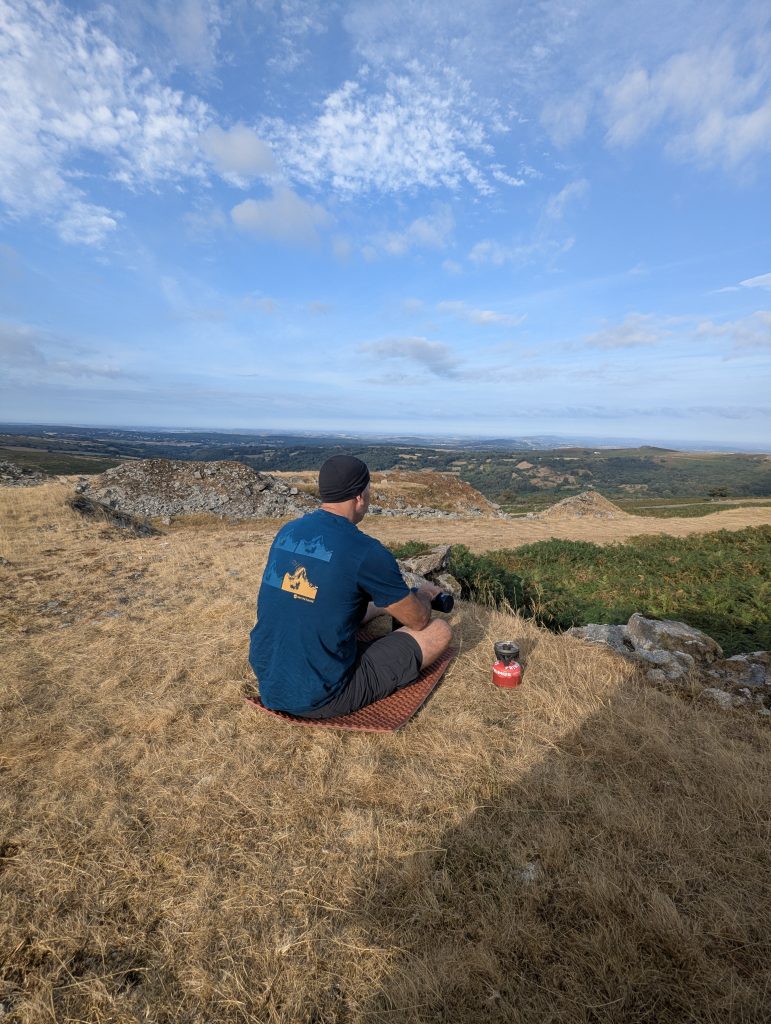
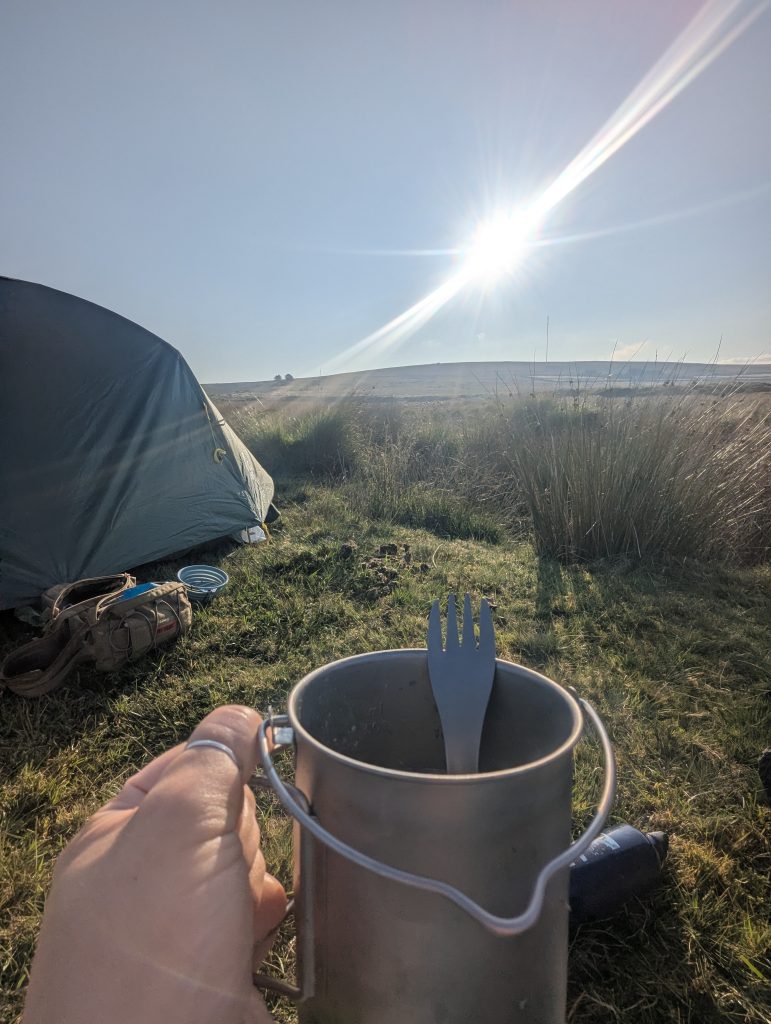
Morning started with the obligatory coffee – our trusty Aeropress in tow. Not exactly ultralight kit, but hey, we forgot to order coffee bags, so it was worth the extra weight. After brekkie and folding camp with military precision (leave no trace, as always), we skirted around the west side of King’s Tor, crossed a stream, and made a beeline for the Merrivale Prehistoric Settlement.
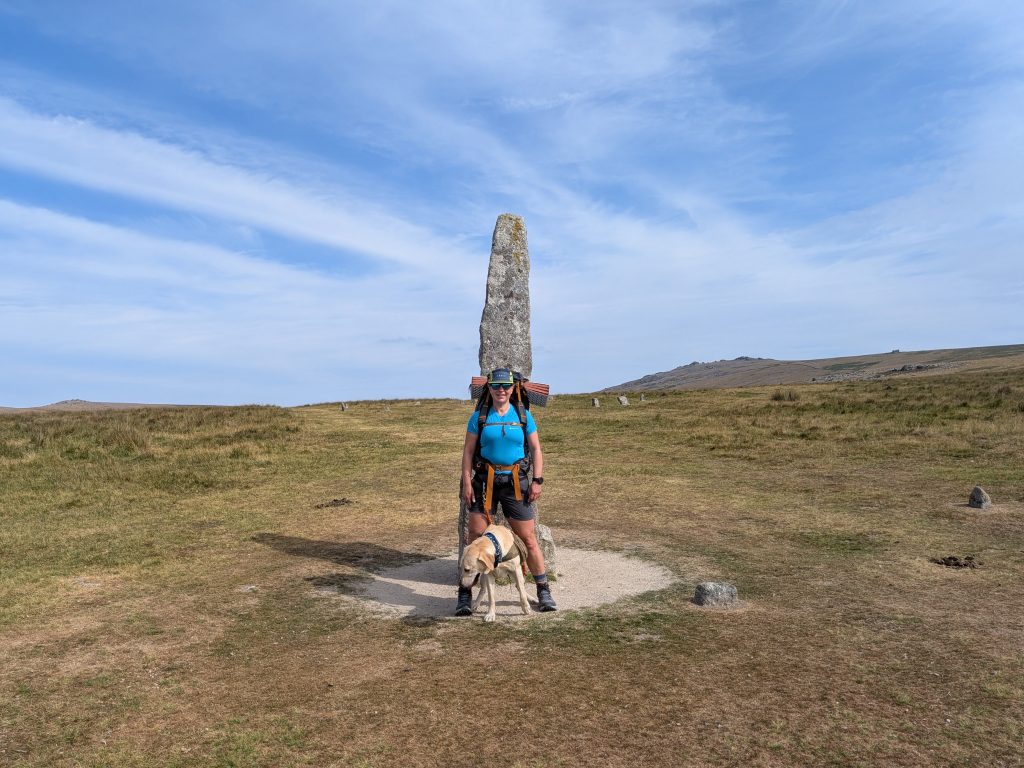
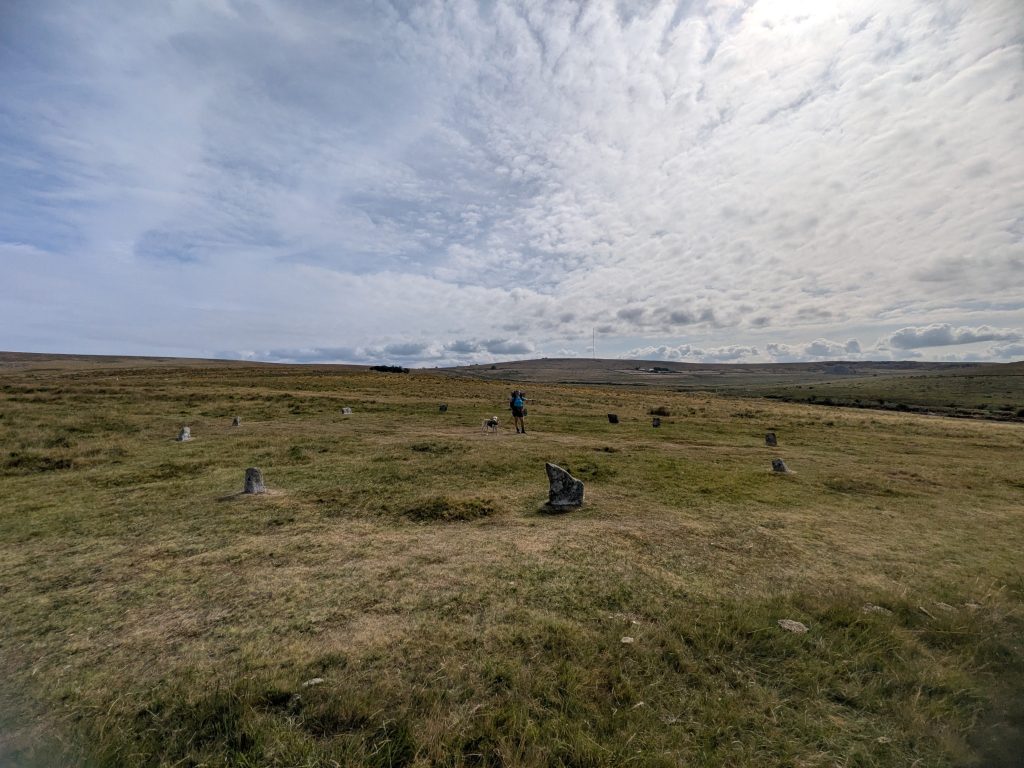
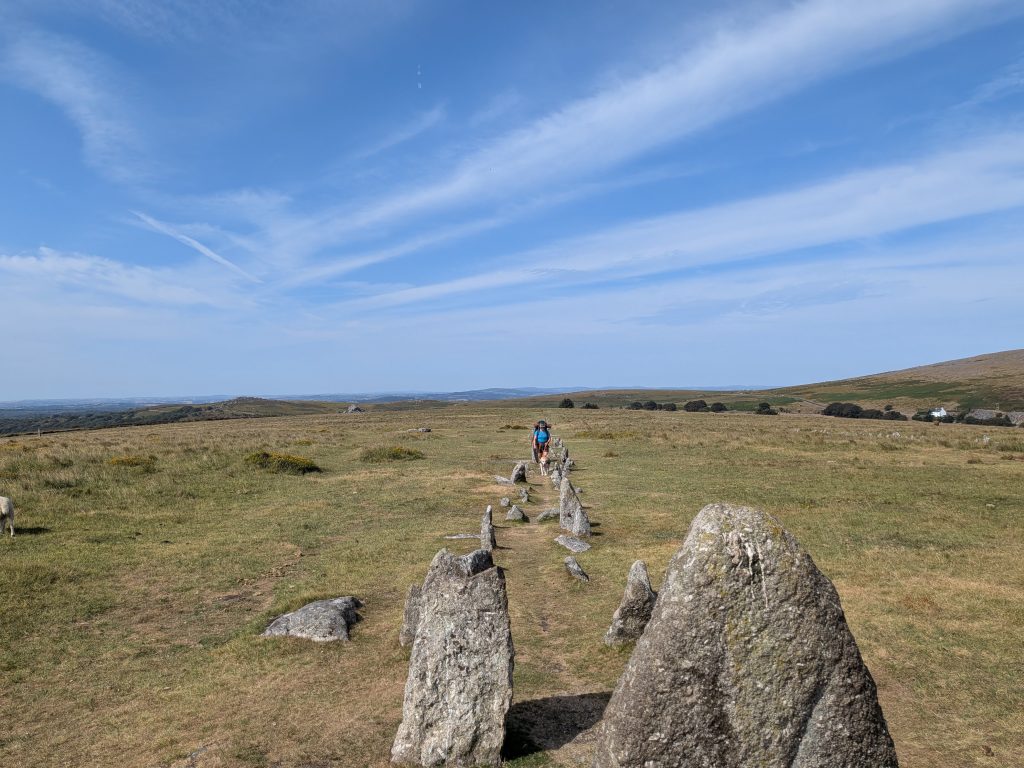
This Bronze Age ritual site is one of Dartmoor’s crown jewels. Picture this: two parallel double stone rows stretching for a couple of hundred metres, a modest stone circle of 11 granite stones measuring about 20 meters is diameter, and a towering – The Standing Stone [Menhir] nearly 3 metres tall – all set beneath the looming granite mounds of King’s Tor. It’s like stepping into a moorland time machine, but with better views and fewer woolly mammoths. If you’re into ancient mysteries, stone circles, or just fancy a wander with a side of history, Merrivale is the spot.
After the scenic walk and soaking up the ancient vibes, it was time to call it a day. Just like that, our microadventure wrapped up. Worth the 10+ hour round trip? Well, that’s for you to decide.